Introduction
The Department of Master in Computer Application was started to impart quality education at post-graduation level in Latur Region Since 2001 having college name Institute of Computer Education up to year 2023.But now from the year 2023 MCA course is merged with M.S.Bidve Engineering College with Intake capacity of 60. Duration of MCA Course is 2 years. The alumni of this department have been holding higher positions in private & government sectors in India and abroad as well. The department is committed to the challenging tasks of development of technical Education. It is updated regularly to keep up with the growing demands and the changing trends of the software industry and research laboratories.
The course is designed to provide students with in-depth knowledge and hands-on experience in various computer-related subjects.
The Department also encourages its students to engage in extra-curricular and co-curricular activities, personality development, developing team spirit and organizational skills.
Benefits of Pursuing MCA:
- Wide range of career opportunities: The MCA course provides students with a wide range of career opportunities in the IT industry.
- High demand: There is a high demand for skilled professionals in the field of computer applications, and an MCA degree can help you stand out in the job market.
- Lucrative salary packages: Graduates of the MCA course can expect to earn lucrative salary packages, especially in the IT industry.
- Practical knowledge: The MCA course provides students with practical knowledge and hands-on experience in various computer-related subjects, making them industry-ready.
- Higher education opportunities: The MCA course is a stepping stone for higher education opportunities, such as a Ph.D. in computer science.
Key Features:
- Young & Dynamic faculty with passion for teaching.
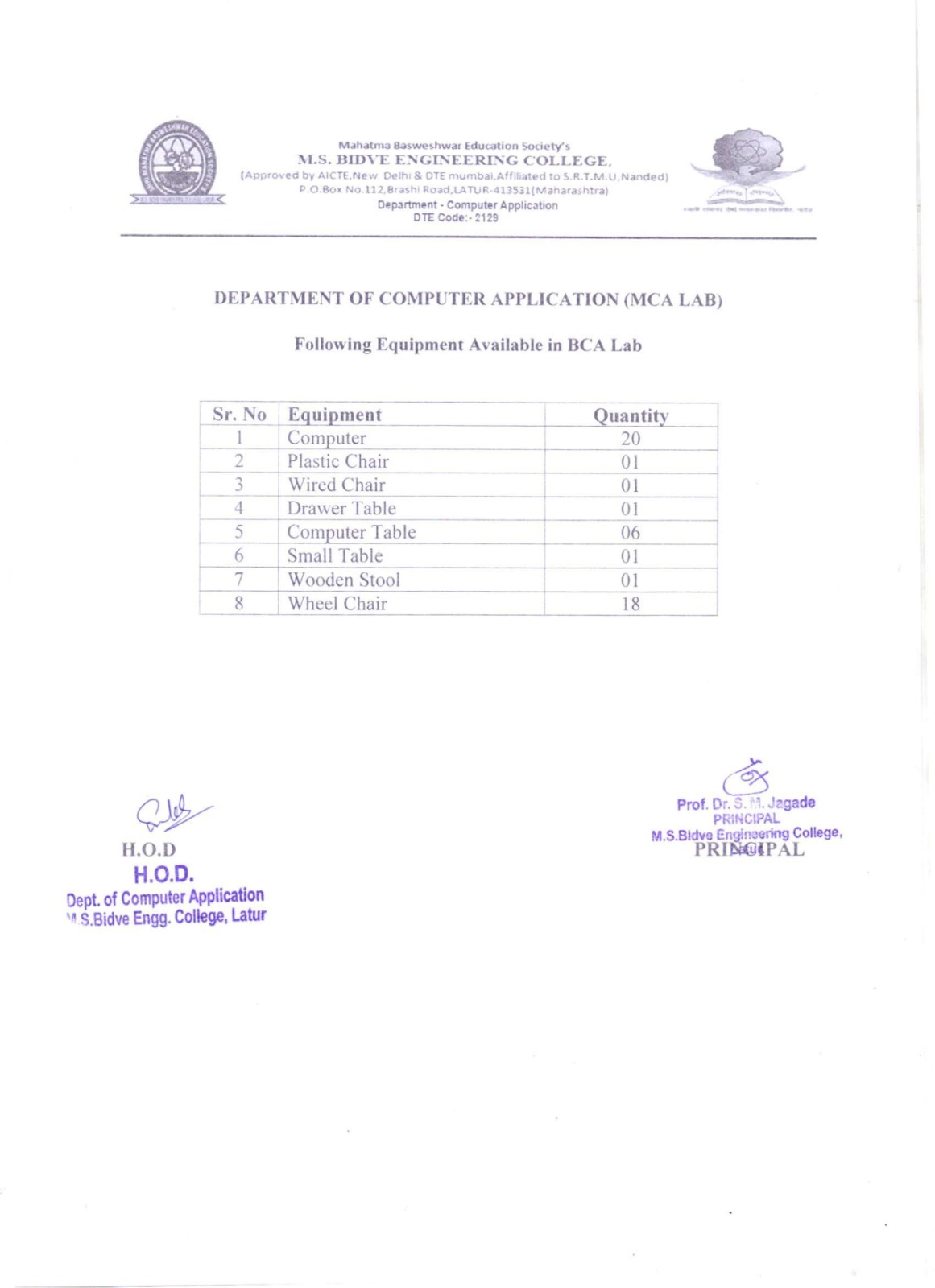
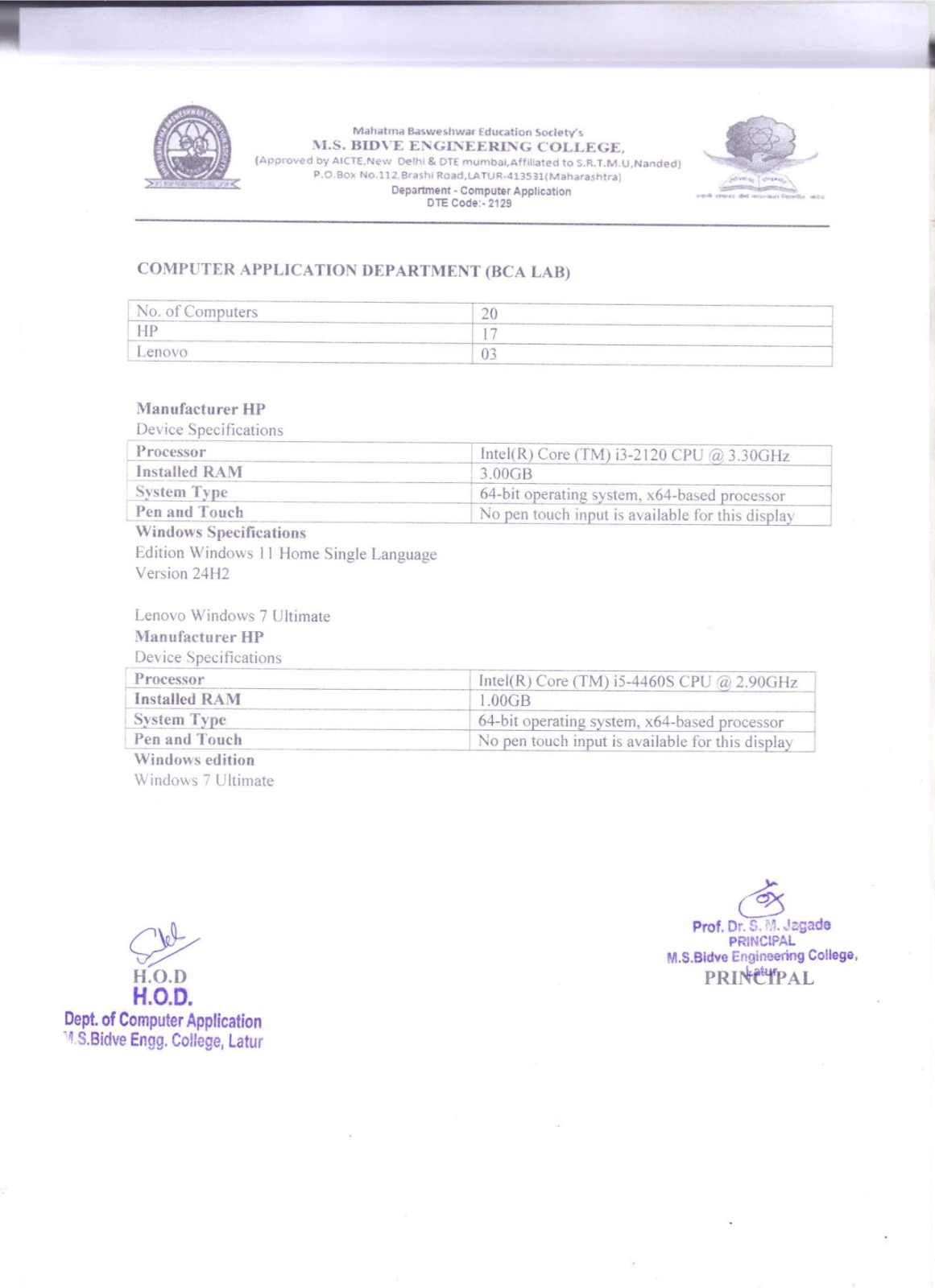
- Labs equipped with latest configuration computing facilities.
- Consistently excellent passing percentage.
- All labs are connected with high speed LAN supported with 100 Mbps broadband internet facility round the clock.
- Book Bank facility is available to all the students.
Eligibility Criteria:
First Year Admission. - (1) For Maharashtra State Candidature Candidates, All India Candidature Candidates, Union Territory of Jammu and Kashmir and Union Territory of Ladakh Migrant Candidature Candidates. - (i) The candidate should be an Indian National; (ii) Passed any graduation degree (e.g.: B.E. / B.Tech./ B.Sc / B.Com. / B.A./ B. Voc./ BCA etc.,) preferably with Mathematics at 10+2 level or at Graduation level and obtained at least 50% marks (at least 45% in case of candidates of Reserved Categories, Economically Weaker Section and Persons with Disability category belonging to Maharashtra State) in the qualifying examination; (iii) The candidate should have obtained non zero positive score in MAH-MCA-CET.
Faculty Details
Faculty (Permanent:05 Adhoc/Other:01 Total:06)
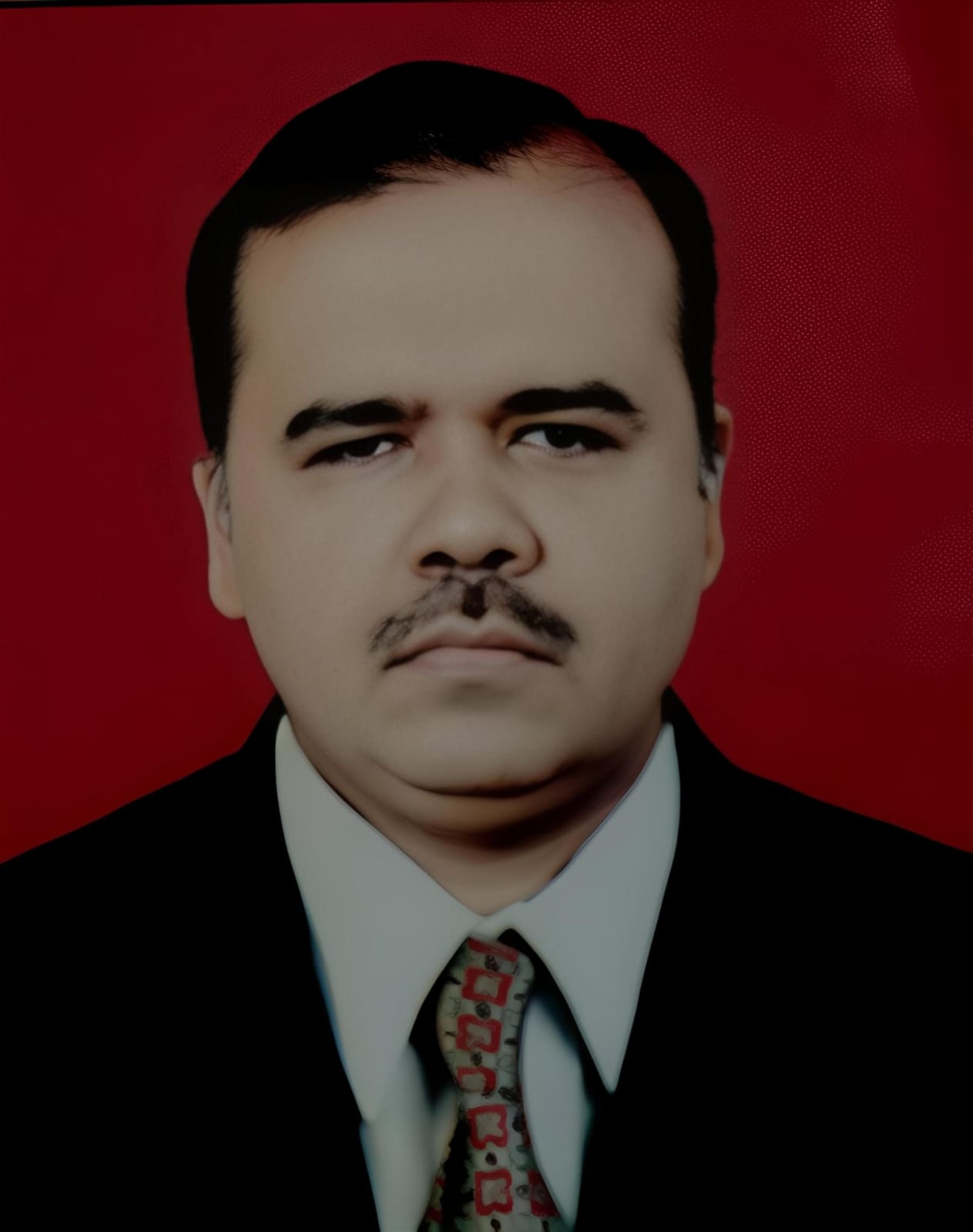 |
Name | Prof. Dr. Deshmukh S.D |
| Designation | Asst. Prof. (HOD) | |
| Qualification | M.C.A,M.B.A,M.Phil,Ph.D. | |
| Teaching Experience | 16 Years | |
| Industry Experience | - | |
| Email Address | sushantdeshmukh1@gmail.com | |
| Area of Specialization | Deep Learning |
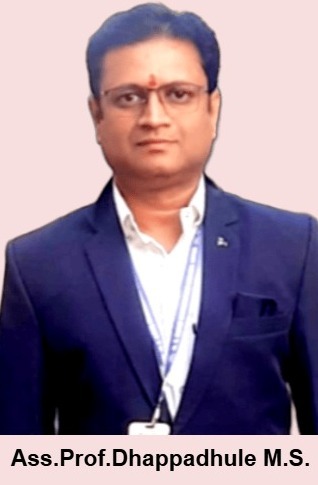 |
Name | Prof.Dhappadhule M.S |
| Designation | Asst. Prof. | |
| Qualification | MCA,Mphil(Compu.Sci)-Pursuing | |
| Teaching Experience | 17 Years | |
| Industry Experience | - | |
| Email Address | manoj.dhappadhule@gmail.com | |
| Area of Specialization | Web Application |
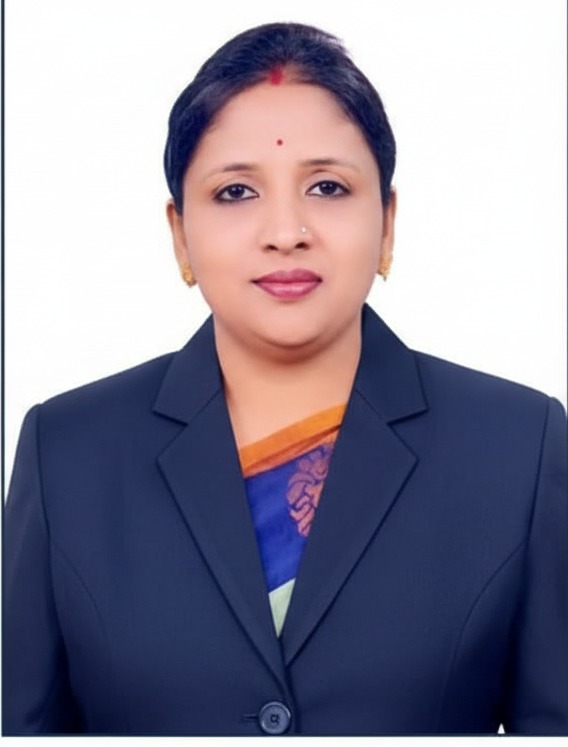 |
Name | Prof. Rasure B.B |
| Designation | Asst. Prof. | |
| Qualification | M.C.A, MTech(CS) | |
| Teaching Experience | 17 Years | |
| Industry Experience | - | |
| Email Address | rasurebhagyashree111@gmail.com | |
| Area of Specialization | DBMS, Digital Eletronics, TOC |
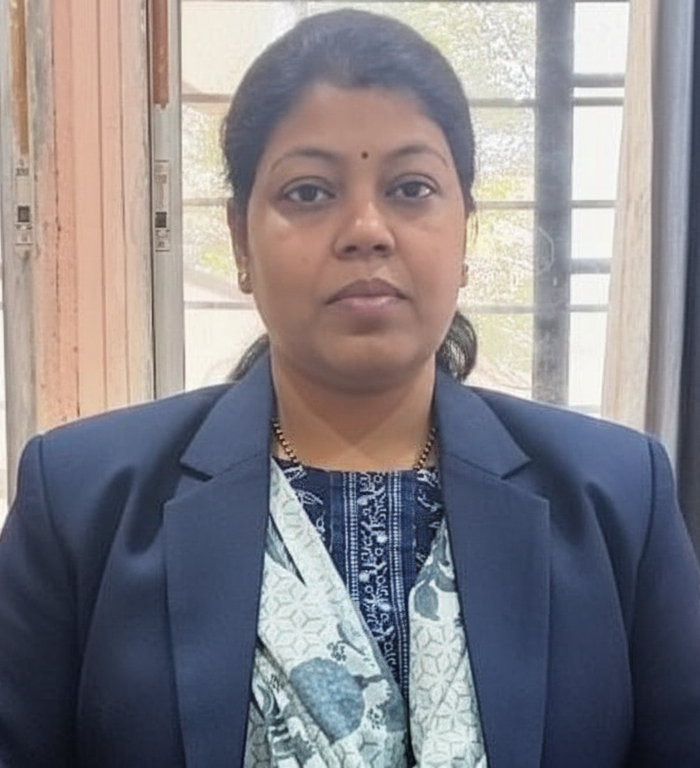 |
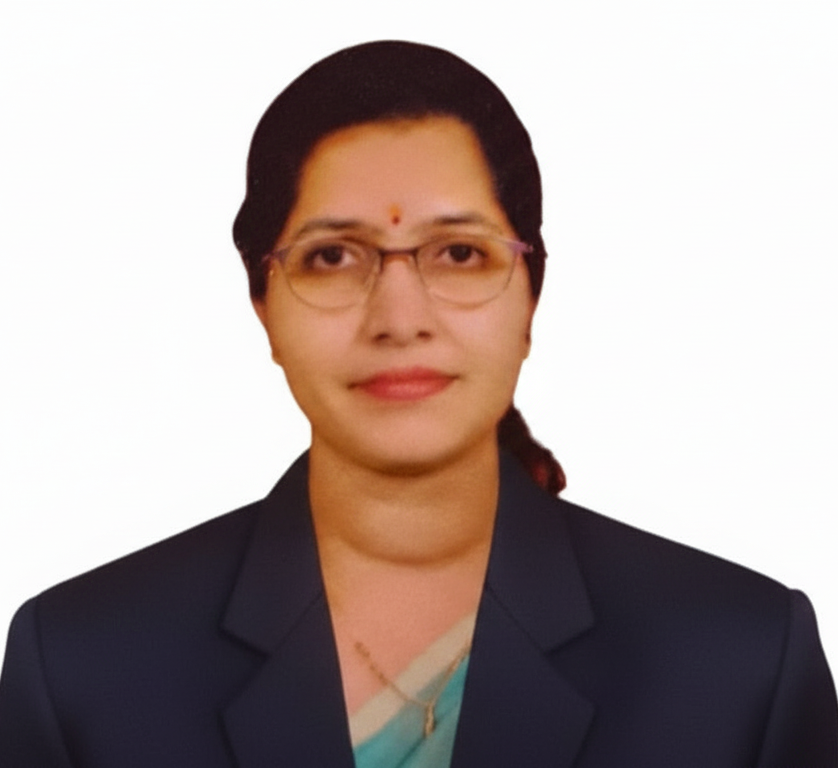
Name | Prof. Birajdar P.S. |
| Designation | Asst. Prof. | |
| Qualification | MCA | |
| Teaching Experience | 12 Years | |
| Industry Experience | - | |
| Email Address | pritiygadkari@gmail.com | |
| Area of Specialization | Dot Net,IOT, |
 |
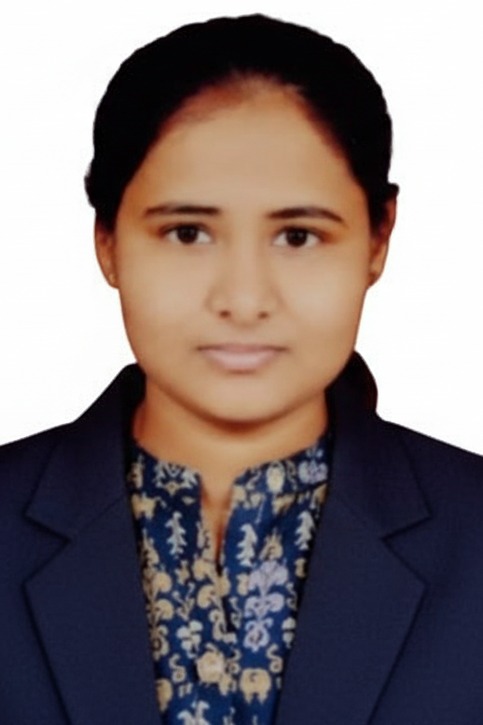
Name | Prof.Vyavahare N.R. |
| Designation | Asst. Prof. | |
| Qualification | MA(English).B.Ed | |
| Teaching Experience | 14 Years | |
| Industry Experience | - | |
| Email Address | nabhakul83@gmail.com | |
| Area of Specialization | English |
 |
Name | Prof.Chounde V.R. |
| Designation | Lecturer | |
| Qualification | MCA | |
| Teaching Experience | - | |
| Industry Experience | - | |
| Email Address | vaishnavichounde65@gmail.com | |
| Area of Specialization | SQL,IOT |
Program Outcomes
BCA PO's:
PO1. Computational Knowledge and Application: Demonstrate sound knowledge of computer fundamentals, programming principles, and modern computing techniques to analyze, design, and implement effective IT solutions.
PO2. Critical Thinking and Problem Solving: Identify, analyze, and formulate real-world problems using logical reasoning, data analysis, and computational approaches to derive appropriate solutions.
PO3. Modern Tools and Technology Proficiency: Select and apply appropriate software tools, programming environments, and emerging technologies such as AI, Data Analytics, and Cloud Computing for effective problem-solving.
PO4. Ethics, Professionalism, and Social Responsibility: Apply ethical principles, respect data privacy and intellectual property, and understand the social, legal, and environmental responsibilities of computing professionals.
PO5. Communication and Teamwork: Communicate effectively through oral, written, and digital means, and work productively as an individual or as a member/leader in multidisciplinary teams.
PO6. Innovation, Research, and Entrepreneurship: Develop innovative thinking, entrepreneurial mindset, and research aptitude to design solutions and create value in diverse business and technological contexts.
PO7. Lifelong Learning and Adaptability: Recognize the need for continuous learning, self-improvement, and adaptation to evolving technologies and global challenges in the computing field.
MCA PO's:
PO1: Computational Knowledge: Apply knowledge of computing fundamentals, mathematics, and domain-specific theories to design and develop computational models, software, and solutions.
PO2: Problem Analysis: Identify, analyze, and formulate complex computing problems using appropriate computational and mathematical techniques to reach effective conclusions.
PO3: Design / Development of Solutions: Design, develop, and evaluate software systems, components, or processes that meet desired needs considering usability, functionality, performance, and sustainability.
PO4: Conduct Investigations of Complex Problems: Use research-based knowledge, data analysis, and experimental methods to interpret results and provide valid conclusions for real-world computing challenges.
PO5: Modern Tool Usage: Create, select, and apply appropriate techniques, resources, and modern software tools including prediction and modeling for complex computing tasks with an understanding of limitations.
PO6: Professional Ethics: Understand and commit to professional ethics, responsibilities, and norms of software development and computing practice.
PO7: Life-long Learning: Recognize the need for and possess the ability to engage in independent and continuous learning in the context of technological advancements.
PO8: Project Management and Finance: Apply computing and management principles to manage projects efficiently, as an individual or as a team member, and understand financial aspects in software project management.
PSO OF Department (BCA)
PSO 1: Apply fundamental knowledge of computer science, programming, and mathematics to solve basic computational problems.
PSO 2: Design, develop, and implement computer-based applications using programming languages such as C, C++, Java, Python, and web technologies.
PSO 3: Understand and use software development tools, databases, operating systems, and networking concepts effectively.
PSO 4: Analyse real-world problems and develop simple, efficient, and user-friendly software solutions.
PSO 5: Demonstrate professional ethics, teamwork, communication skills, and readiness for entry-level IT jobs or higher studies.
PSO OF Department (MCA)
PSO 1. Design advanced software systems Analyse, design, and implement complex software applications using advanced programming concepts and technologies.
PSO 2. Apply problem-solving and analytical skills Use computational thinking, algorithms, and data management techniques to solve real-world problems.
PSO 3. Work with emerging technologies Apply knowledge of areas such as cloud computing, data science, AI, cybersecurity, and web/mobile application development.
PSO 4. Demonstrate professional and ethical responsibility Work effectively in teams, communicate technical ideas clearly, and follow ethical practices in the IT industry and research.
Program Educational Objectives (PEOs) BCA:
PEO1: To prepare graduates for successful careers in software development, programming and IT-enabled services in accordance with the curriculum prescribed by Swami Ramanand Teerth Marathwada University, Nanded.
PEO2: To enable graduates to pursue higher education, research and professional certifications in computer applications.
PEO3: To develop ethical professionals with effective communication skills, teamwork abilities and social responsibility.
Program Educational Objectives (PEOs) MCA:
PEO1: To produce competent software professionals capable of working as software engineers, system analysts and IT consultants.
PEO2: To enable graduates to apply advanced computing knowledge to solve complex real-world problems.
PEO3: To foster leadership qualities, ethical values, research aptitude and lifelong learning.
Student Corner
Department of Computer Application Students Associations (DCASA)
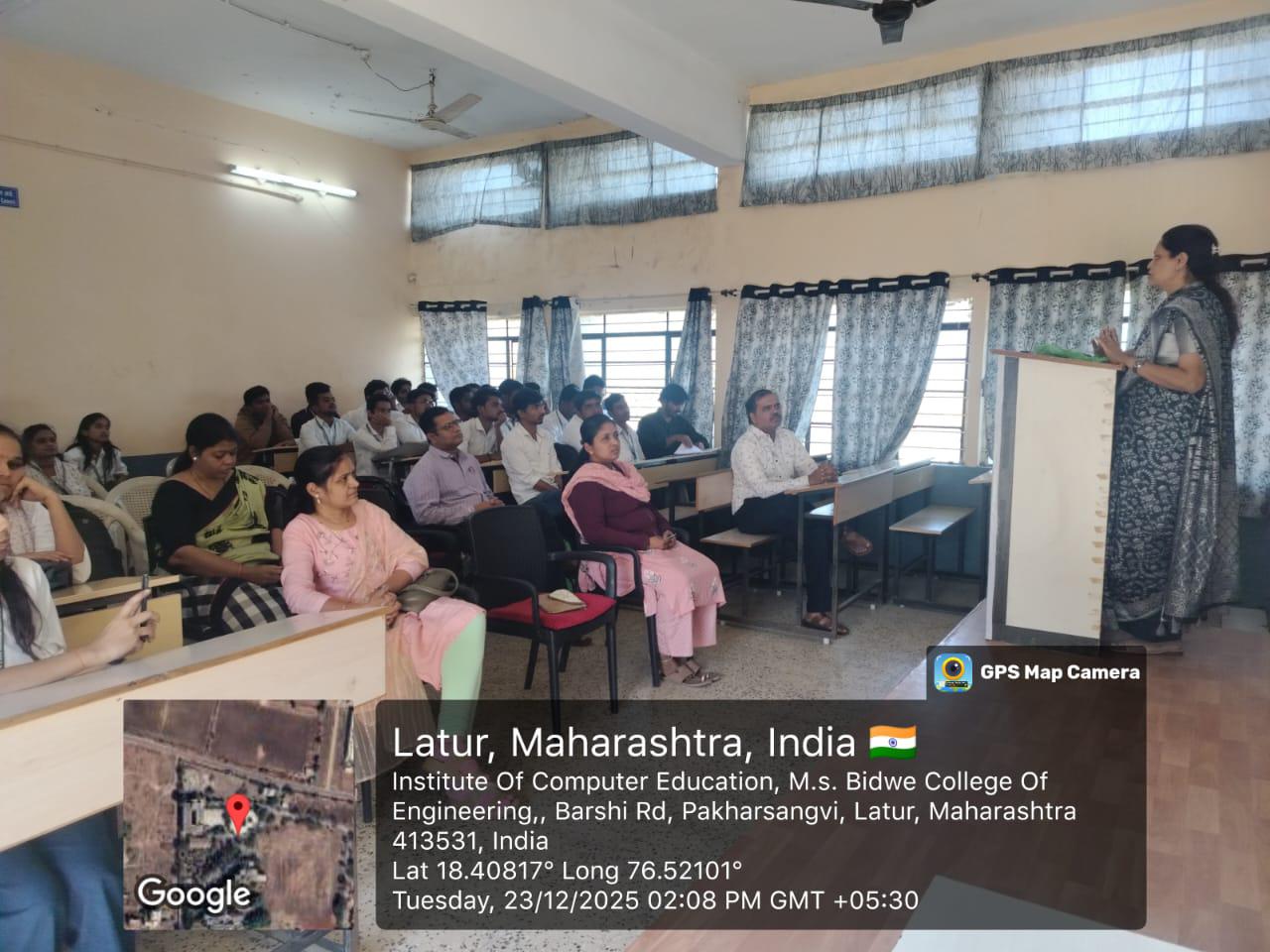
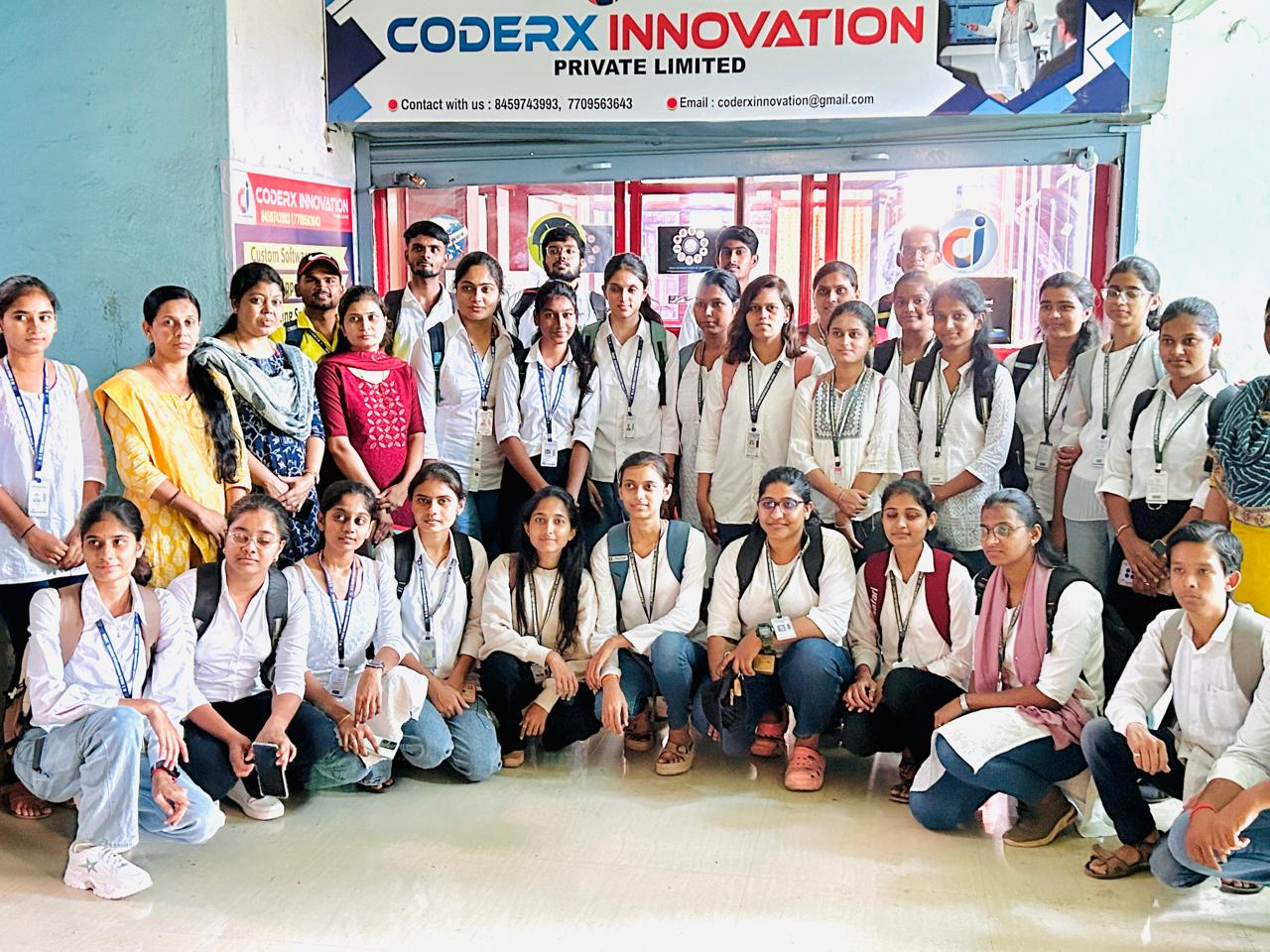
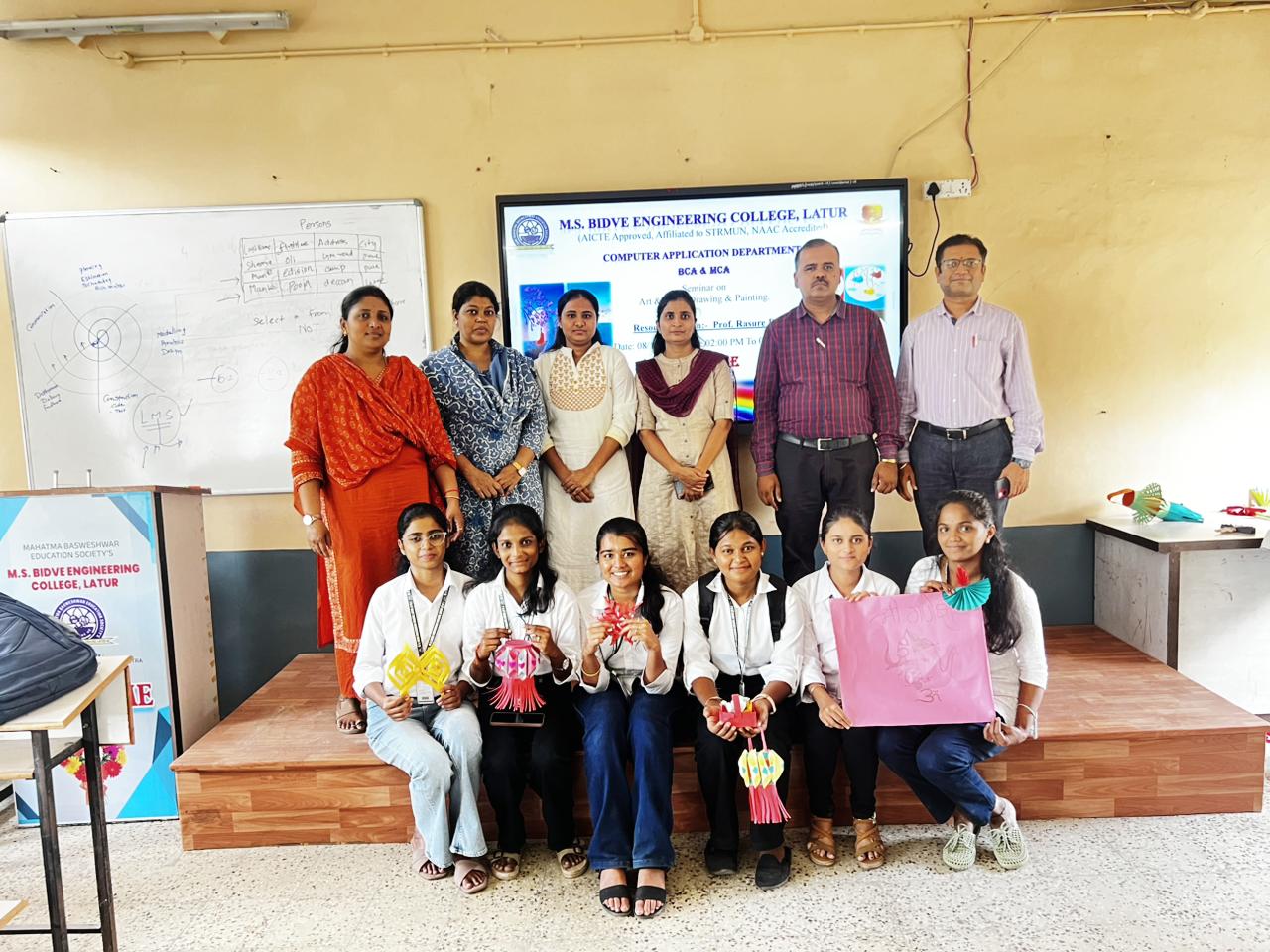
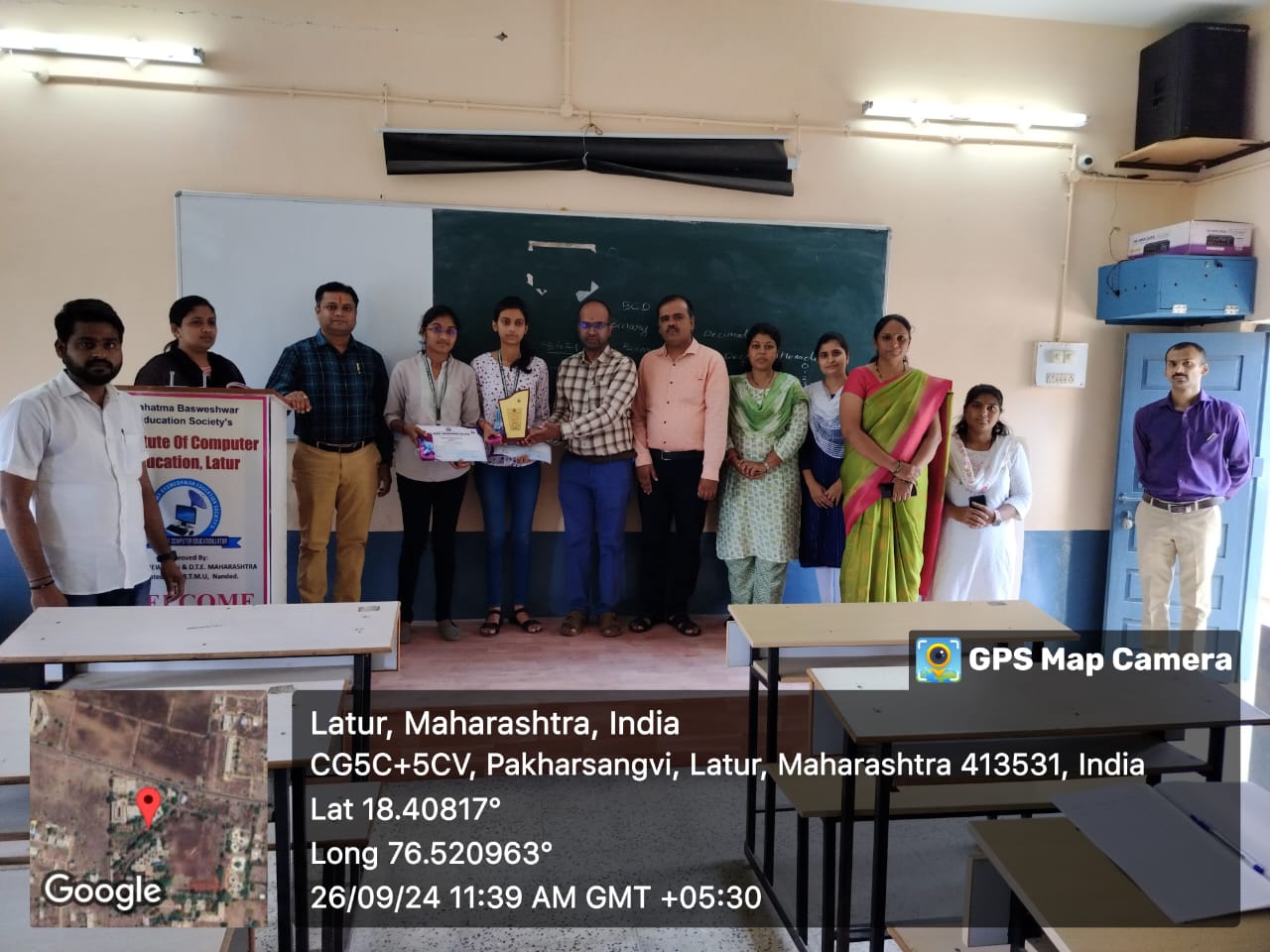
The Department of Computer Application Students’ Association (DCASA) actively organized technical and co-curricular activities such as expert lectures, quizzes, workshops, and industrial awareness programs. DCASA aims to enhance leadership qualities, teamwork, and technical knowledge among students.
Following students has been elected through election process:
- President: - Bhosale Sakshi MCA (S.Y)
- Vice President: - Keatn Lamture BCA (S.Y)
- Treasurers: - Ajinkya Pawar BCA (S.Y)
- Student Co-ordinator: - Sukanya Birajdar MCA (S.Y)
- Joint Treasures: - Saina Holkar BCA (S.Y)
- Secretary: - Suraj Gutalkar BCA (S.Y)
- Joint Secretary: - Mule Sakshi BCA (S.Y)
Events
Laboratory
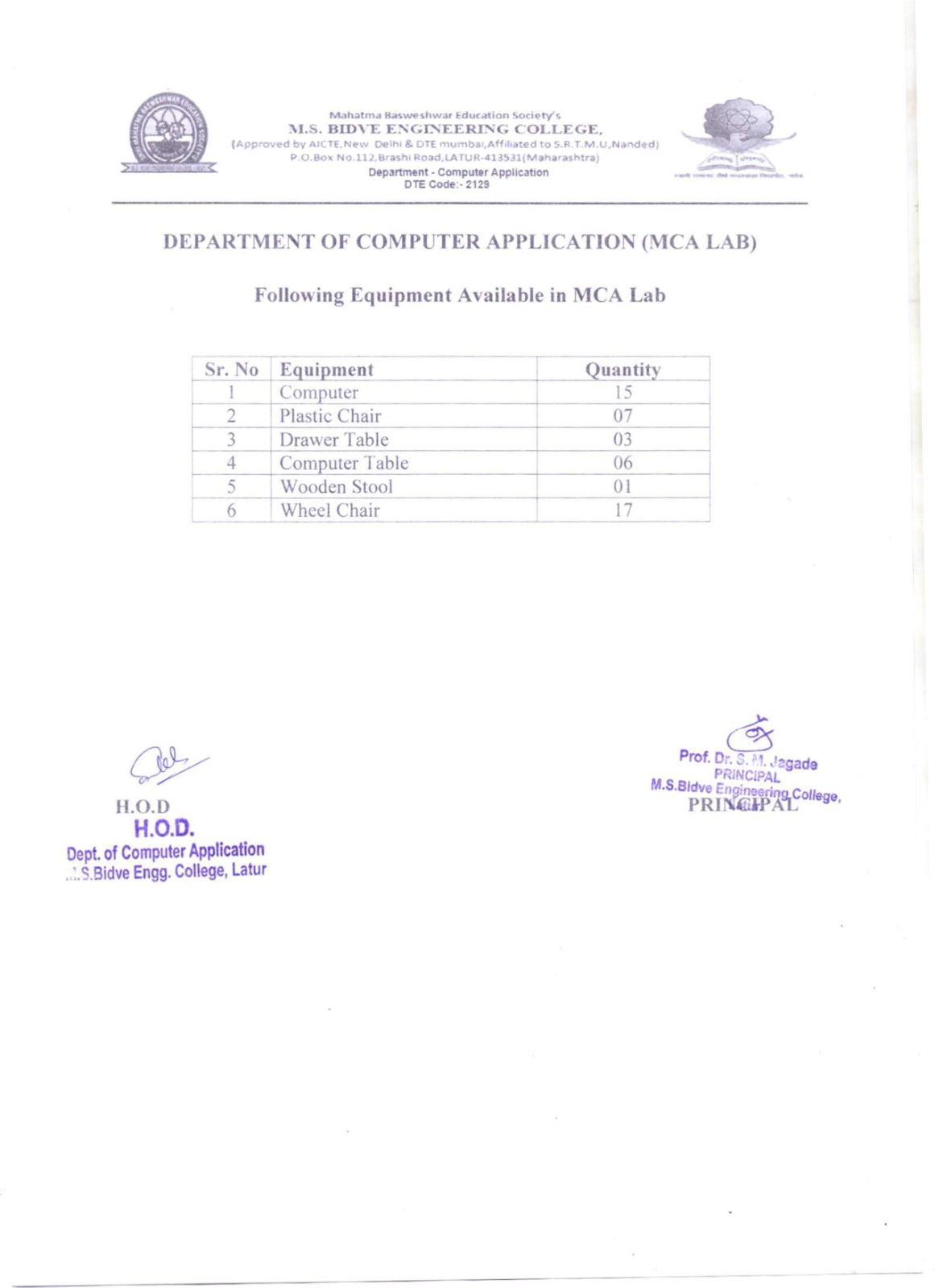
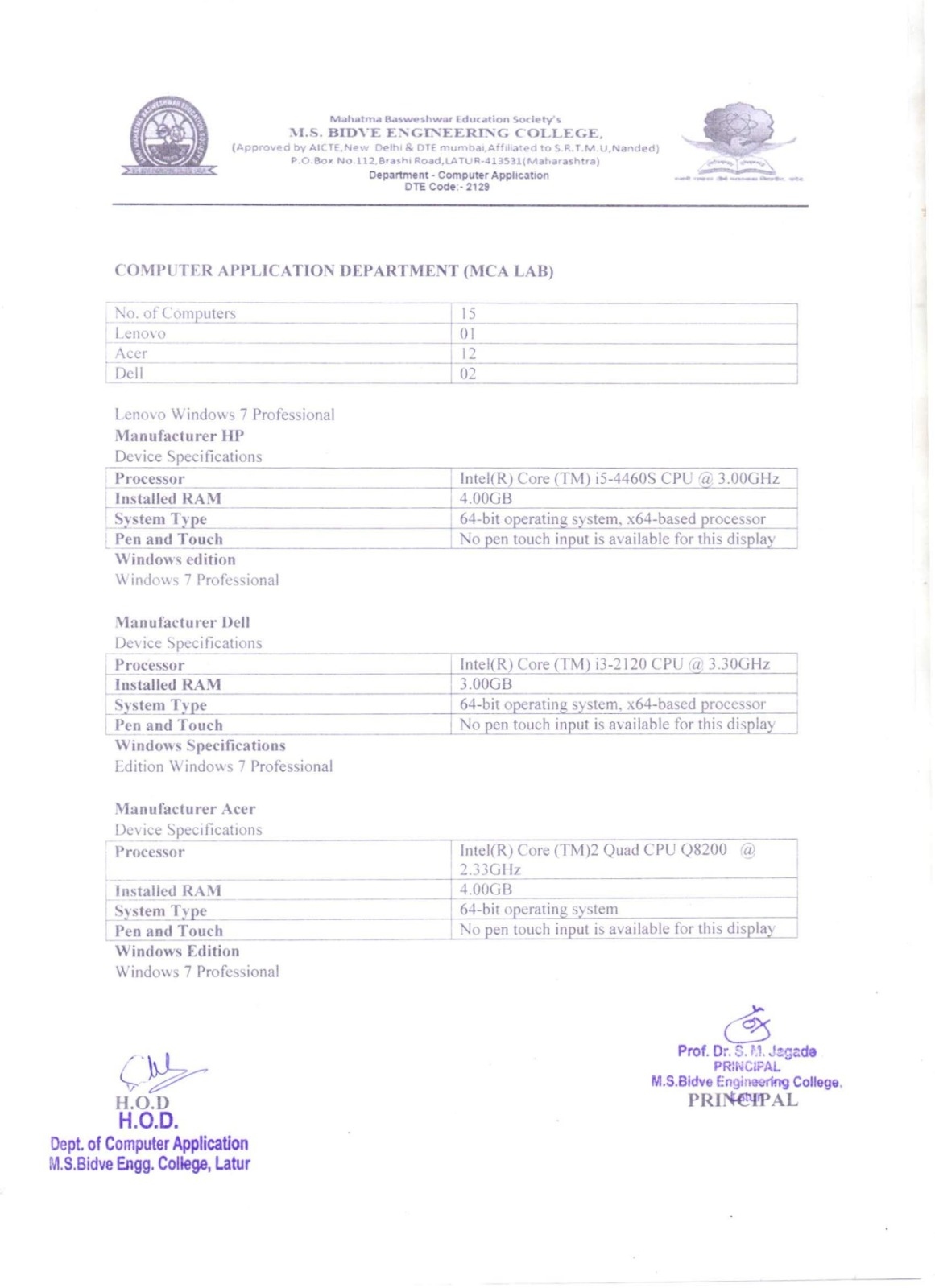
Career opportunities in BCA & MCA
BCA
1. Software Developer / Programmer
- Build applications (web, mobile, desktop)
- Tech: Java, Python, C#, JavaScript
2. Web or App Developer
- Front-end/back-end developer roles
- Frameworks: React, Node.js, Django, Flutter
3. Database Administrator (DBA)
- Manage databases like Oracle, MySQL, SQL Server
4. Software Tester / QA Engineer
- Manual and automated testing
- Tools: Selenium, JIRA, Postman
5. System or Network Administrator
- Maintain IT infrastructure
- Networking protocols, servers, cloud basics
6. IT Support / Technical Support
- Troubleshoot hardware, software issues
- Entry point into IT operations
7. Digital Marketing / SEO Specialist (if interested in tech + marketing)
- Online campaign management
- Tools: Google Analytics, SEO tools
8. Startups / Freelancing / Entrepreneurship
- App development, tech services, consulting
MCA
With MCA being a postgraduate degree, you generally get better roles and higher starting pay compared to BCA:
1. Software Engineer / Senior Developer
- Build complex systems
- Often leads to team lead roles later
2. Full Stack Developer
- Works on both front-end and back-end
- Higher demand & salary
3. Cloud Computing Engineer
- AWS, Azure, GCP certified roles
- Cloud deployment, architecture
4. Data Scientist / Machine Learning Engineer (with extra training)
- Analyze data, build predictive models
- Tools: Python, R, SQL, ML libraries
5. Cybersecurity Analyst
- Protect systems/networks from threats
- Certifications help (CEH, CISSP)
6. DevOps Engineer
- Integrate development and operations
- Tools: Docker, Jenkins, Kubernetes
7. Test Automation Engineer
- Write automation scripts
- Higher pay than traditional testing
8. Database Specialist / BI Developer
- SQL, Big Data tools
- Reporting & data visualization
9. Technical Consultant / IT Analyst
- Guide businesses on tech solutions
10. Teaching / Research / PhD
- Lecturer, trainer, academic roles
Technical Staff
Syllabus
BCA (Bachelor of Computer Application) |
|
MCA |
|
Vision & Mission
Vision of Department
“To be a center of excellence in computer education, research, and innovation, producing skilled, responsible, and ethical professionals for society and the IT industry.”
Mission of Department
M1. To provide quality education in computer applications through a comprehensive curriculum based on industry needs and emerging technologies.
M2. To develop analytical, problem-solving, and programming skills through experiential learning, projects, and internships.
M3. To nurture professionalism, communication skills, ethical behavior, and leadership qualities among students.
M4. To promote innovation, research aptitude, and entrepreneurial thinking in the field of computer applications. M5. To encourage continuous learning and adaptation to evolving technologies and global challenges.
Newsletter
| Sr. No. | Particulars | Download |
|---|---|---|
| 1 | Odd Sem. |  |