Introduction
The Department of Computer Science and Engineering (AI & ML) has always been on a high growth path and has experienced and dedicated faculty members with a strong commitment to engineering education. The teaching learning process at department prepares students to meet the computer technology needs of various sectors, namely, business, government, healthcare, education, manufacturing, etc. To keep pace with the current technological trends and to sharpen their skills, faculty development workshops are carried out regularly. During this four year programme, emphasis is on technology itself more than on the information it conveys.
Information technology is a growing field that offers relatively secure positions for those with solid technical skills and at least a bachelor's degree in an IT-related field. From support to engineering, there are several specializations that deal with the various facets of information technology.
The field of Computer Science and Engineering (AI & ML) covers the design, administration and support of computer and telecommunications systems. Some of the positions in this field include database and network administrators, computer support specialists, computer scientists, s/w programmers and system analysts. The majority of career tracks in IT entail design and operational tasks related to computer hardware components, networks and software applications.
Professionals in the IT field work with businesses and organizations to set up and support viable computer networks that will keep systems efficient and reliable. IT encompasses all hardware and software used in the storing, creation and accessing of information. Examples of technologies that professionals work with are firewalls, databases, media storage devices, networks and the Internet.
Vision
Vertical growth of students in rural and urban areas.
Mission
To give Value Based Education that “transform person to personalities”.
PEO's, PO's, PSO's
Program Educational Objectives (PEOs):
PEO1: Apply core engineering, AI & ML knowledge, and modern computational tools to solve complex real-world problems.
PEO2: Engage in innovation, research, higher studies, or professional practice in AI, ML, and related domains.
PEO3: Demonstrate ethical values, leadership, teamwork, communication skills, and contribute responsibly to society using intelligent technologies.
Programme Outcomes (POs):
PO1: Engineering Knowledge – Apply mathematics, science, engineering fundamentals, and AI/ML concepts to solve complex problems.
PO2: Problem Analysis – Identify, formulate, analyze, and interpret complex problems using AI/ML techniques.
PO3: Design/Development of Solutions – Design intelligent systems and solutions considering societal, environmental, and safety aspects.
PO4: Investigations – Use research-based methods, data analysis, and experimentation to draw valid conclusions.
PO5: Modern Tool Usage – Select and apply appropriate AI/ML tools, platforms, and frameworks for problem-solving.
PO6: Engineer and Society – Assess societal, legal, and cultural issues related to AI-based solutions.
PO7: Ethics – Apply ethical principles, fairness, transparency, and professional responsibility in AI practices.
PO8: Individual and Team Work – Function effectively as an individual and as a member or leader of multidisciplinary teams.
PO9: Communication – Communicate effectively through reports, documentation, and presentations.
PO10: Project Management and Finance – Apply project management and financial principles in AI/ML projects.
PO11: Lifelong Learning – Recognize the need for continuous learning to adapt to rapid technological advancements.
Programme Specific Outcomes (PSOs):
PSO1: Apply AI, ML, and Data Science principles to design and implement intelligent solutions for real-world applications.
PSO2: Demonstrate proficiency in programming, machine learning models, data analytics tools, and AI platforms.
PSO3: Exhibit innovation, ethical responsibility, teamwork, and leadership in developing AI-driven systems.
|
PEOs / Mission |
M1 |
M2 |
M3 |
M4 |
|
PEO1 |
3 |
2 |
1 |
3 |
|
PEO2 |
2 |
3 |
1 |
2 |
|
PEO3 |
1 |
1 |
3 |
2 |
Career opportunities
Faculty
Faculty (Permanent:07 Adhoc/Other:00 Total:07)
Fcaulty of AI & ML
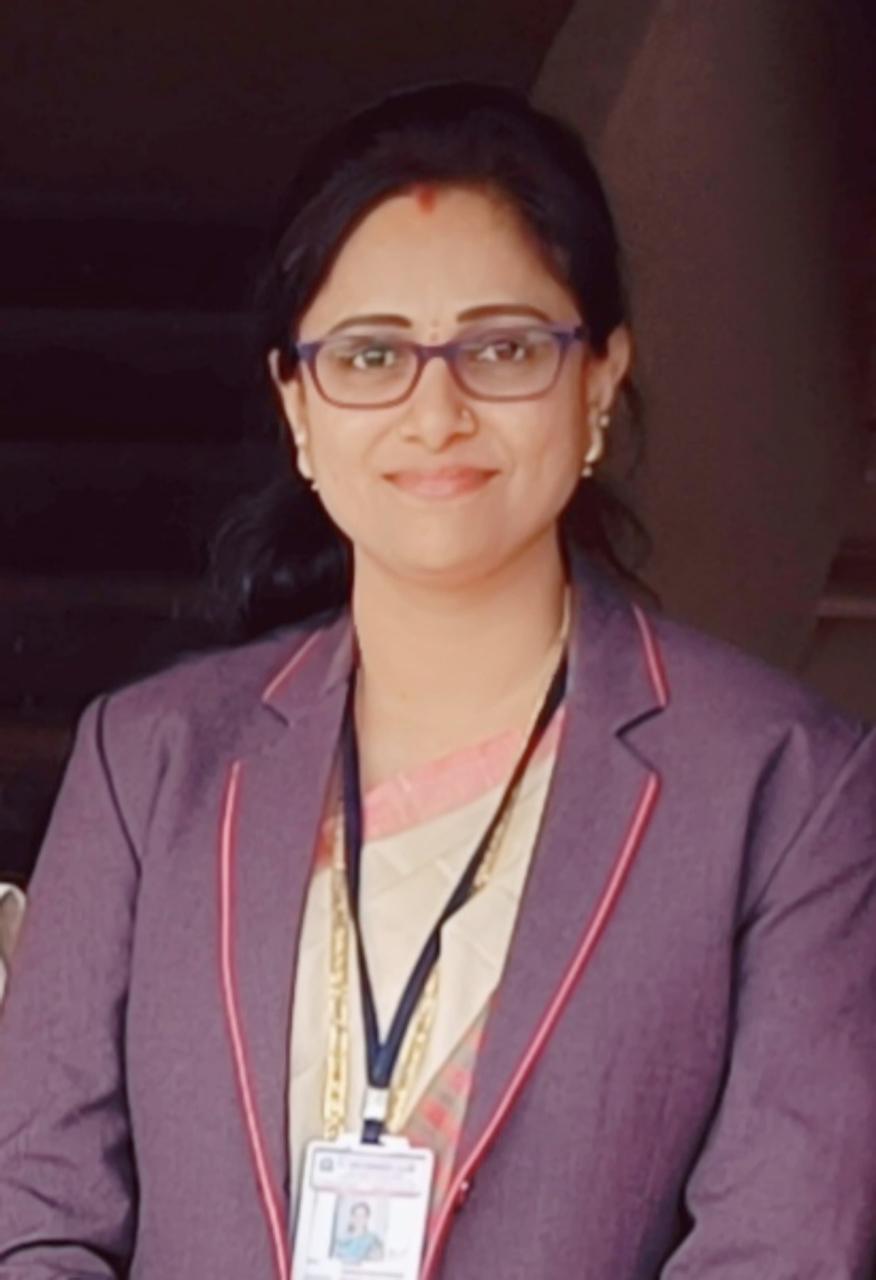 |
Name | Prof. Dr. Ashwini A. Patil (BIRADAR) (HOD) |
| Designation | Asst. Prof. | |
| Qualification | BE(CSE), M.E.(CNE), PhD(CSE) | |
| Teaching Experience | 20 Years | |
| Industry Experience | - | |
| Email Address | ashwinibiradar29@gmail.com | |
| Area of Specialization | Computer Networking, Info. Security.. |
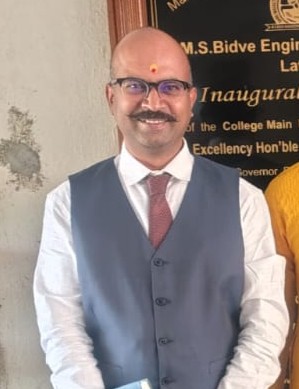 |
Name | Prof. Dr. S.S.Damre |
| Designation | Asso. Prof. | |
| Qualification | Post Doc in AI, PhD in CSE, ME in CSE, BE in CSE . | |
| Teaching Experience | 14.5 Years | |
| Industry Experience | - | |
| Email Address | surajdamre@gmail.com | |
| Area of Specialization | IOT, Machine Learning, AI Deep Learning |
 |
Name | Prof. Chame K. P. |
| Designation | Asst. Prof. | |
| Qualification | M.E (Comp Engg) | |
| Teaching Experience | 3.5 Years | |
| Industry Experience | - | |
| Email Address | kpchame@gmail.com | |
| Area of Specialization | Data Structure,Operating System,Oop in Java,IoT |
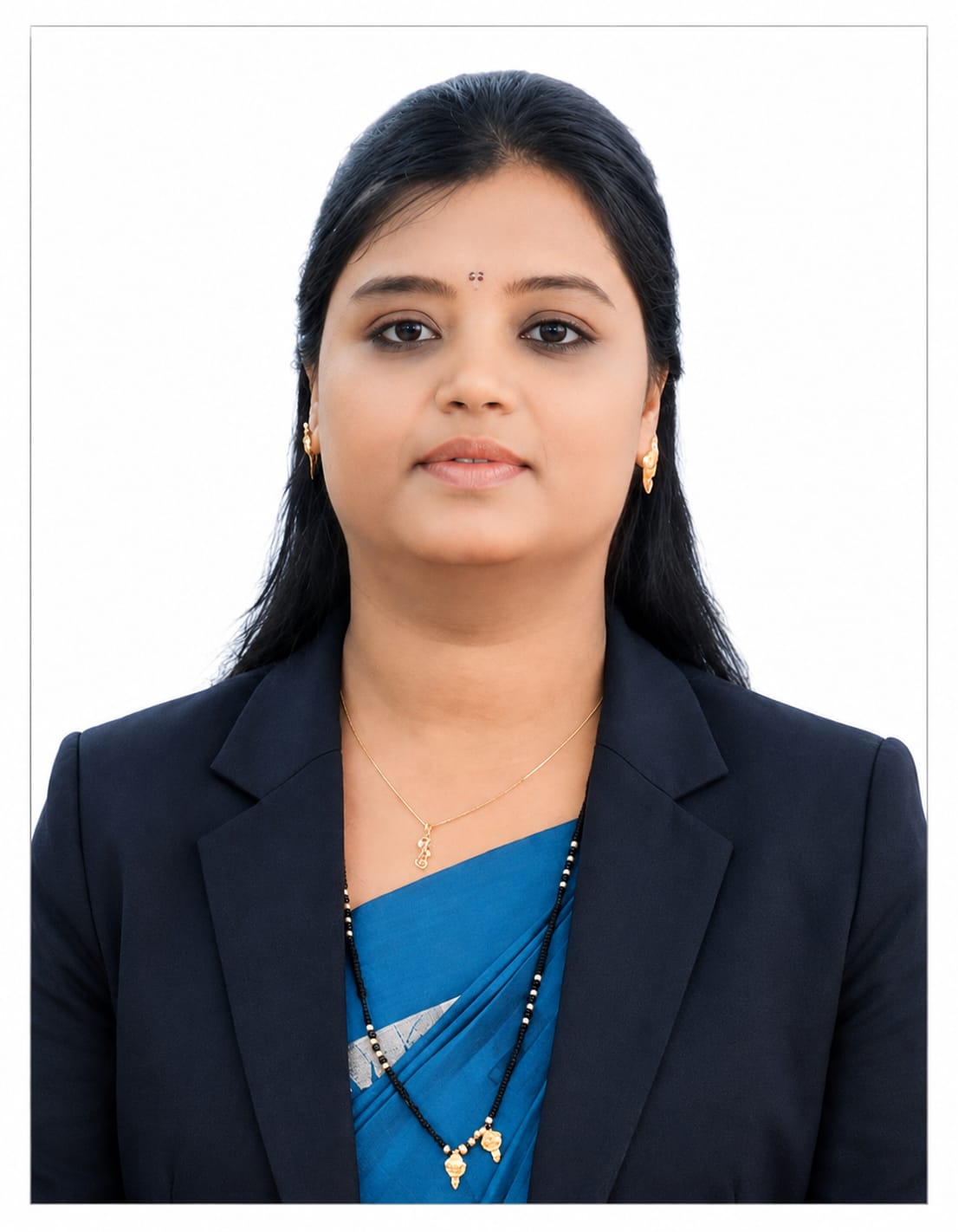 |
Name | Prof. Jadhav S. M. |
| Designation | Asst. Prof. | |
| Qualification | M.Tech.(CSE) | |
| Teaching Experience | 15 Years | |
| Industry Experience | - | |
| Email Address | sunitamp2011@gmail.com | |
| Area of Specialization | Artificial Intelligence, Python Programming, Machine Learning, Software Testing, Software Engineering, Data Structure and Algorithms, Computer Network, Java Programming |
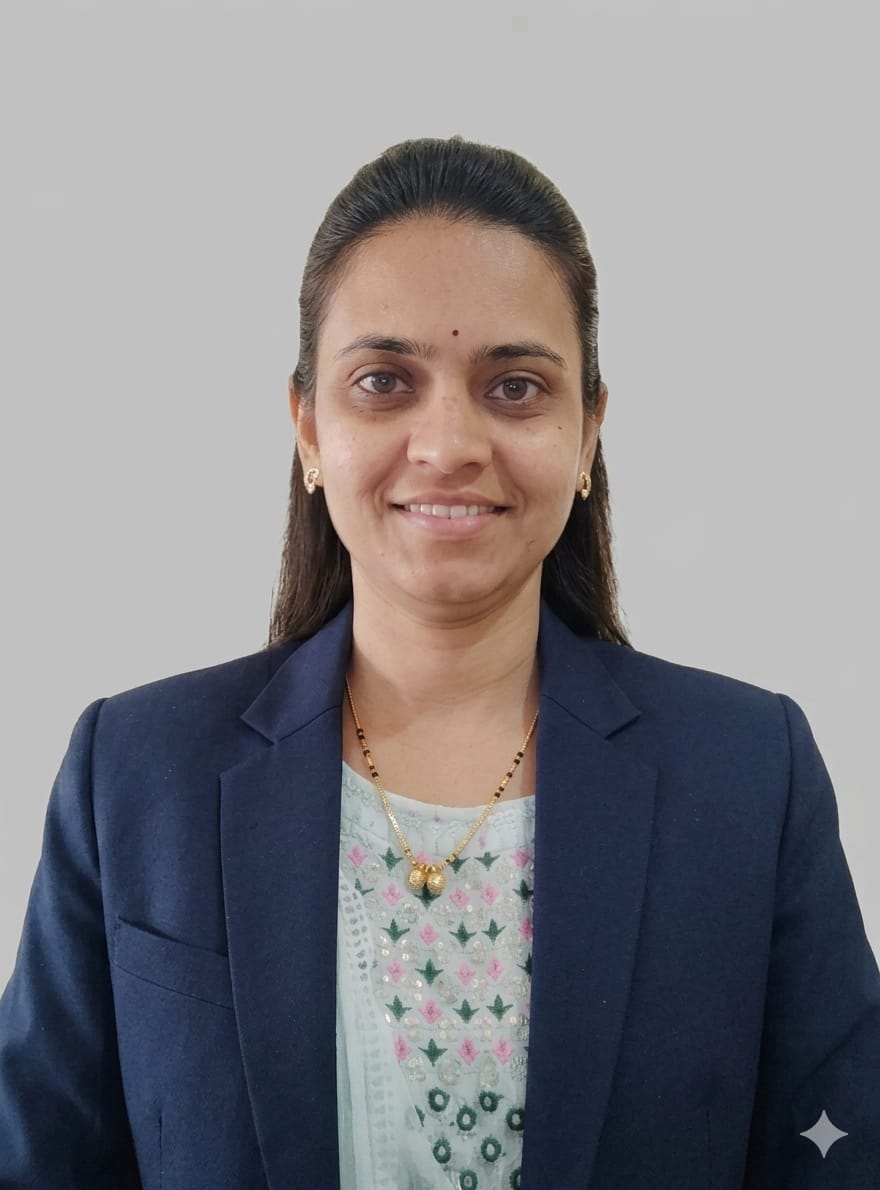 |
Name | Prof. Pawar P.S. |
| Designation | Asst. Prof. | |
| Qualification | BE(CSE), M.E.(CSE) | |
| Teaching Experience | 6.5 Years | |
| Industry Experience | 3 Years | |
| Email Address | priyankatawade1988@gmail.com | |
| Area of Specialization | Database Management System,Machine Learning,Computer Networking,Software Engineering |
 |
Name | Prof. Todkar S. |
| Designation | Asst. Prof. | |
| Qualification | BE(CSE), M.Tech(CSE) | |
| Teaching Experience | 2 Years | |
| Industry Experience | - | |
| Email Address | malge.shraddha@gmail.com | |
| Area of Specialization | Deep learning, NLP, Computer Vision. |
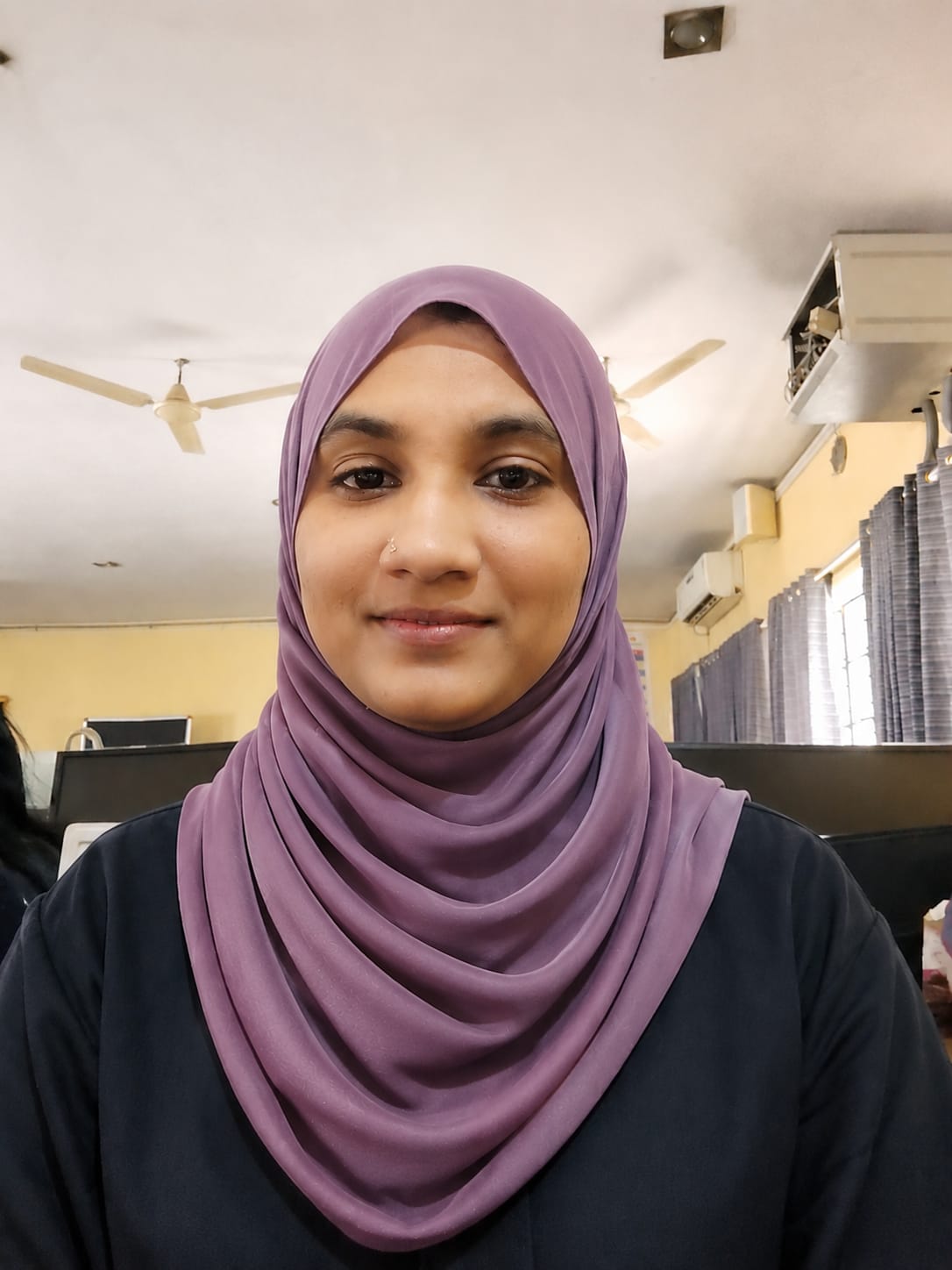 |
Name | Prof. Afroz Fatima |
| Designation | Asst. Prof. | |
| Qualification | M.tech(CSE) | |
| Teaching Experience | 1 Year | |
| Industry Experience | - | |
| Email Address | fatimatumkur@gmail.com | |
| Area of Specialization | Python programing, Artificial intelligence, machine learning, SERVICNOW, C and C++ |
Laboratory
Laboratories
| Sr. | Name of the Laboratory | Lab- in Charge | No. of Computers |
|---|---|---|---|
| 1 | Soft Computing Lab | Prof.S.M.Kauthale | 21 |
| 2 | Networking Lab | Prof.N.P.Kamble | 21 |
| 3 | Project Lab | Prof.O.M.Patil | 21 |
| 4 | AIML Lab | Prof.Dr.S.S.Damre | 18 |
LIBRARY
M.S.BIDVE CENTRAL LIBRARY(INFORMATION TECHNOLOGY COURSE)
| Total Numbers of Titles | 110 |
| Total Numbers of Volumes | 308 |
| List of journals online | As per central Library |
DISTINGUISH FEATURES OF DEPARTMENT
- Senior faculties in this era.
- The department has experienced faculty members specialized in various subjects of I.T.
- Hands on practical’s with fully updated technology.
- Weekly aptitude tests.
- One –to- One teaching learning process.
FEATURES OF DEPARTMENT
- Well Furnished classrooms.
- Well equipped laboratories.
- Wi-Fi connectivity
Events
In evry semester our students organizes and participate in various activities:
- Engineer Day
- Aptitude Test (Weekly)
- Group Discussion
- Debate Competition.
- Project Exicibution
- Poster Presentation
- Paper Presentation
- Model Making.
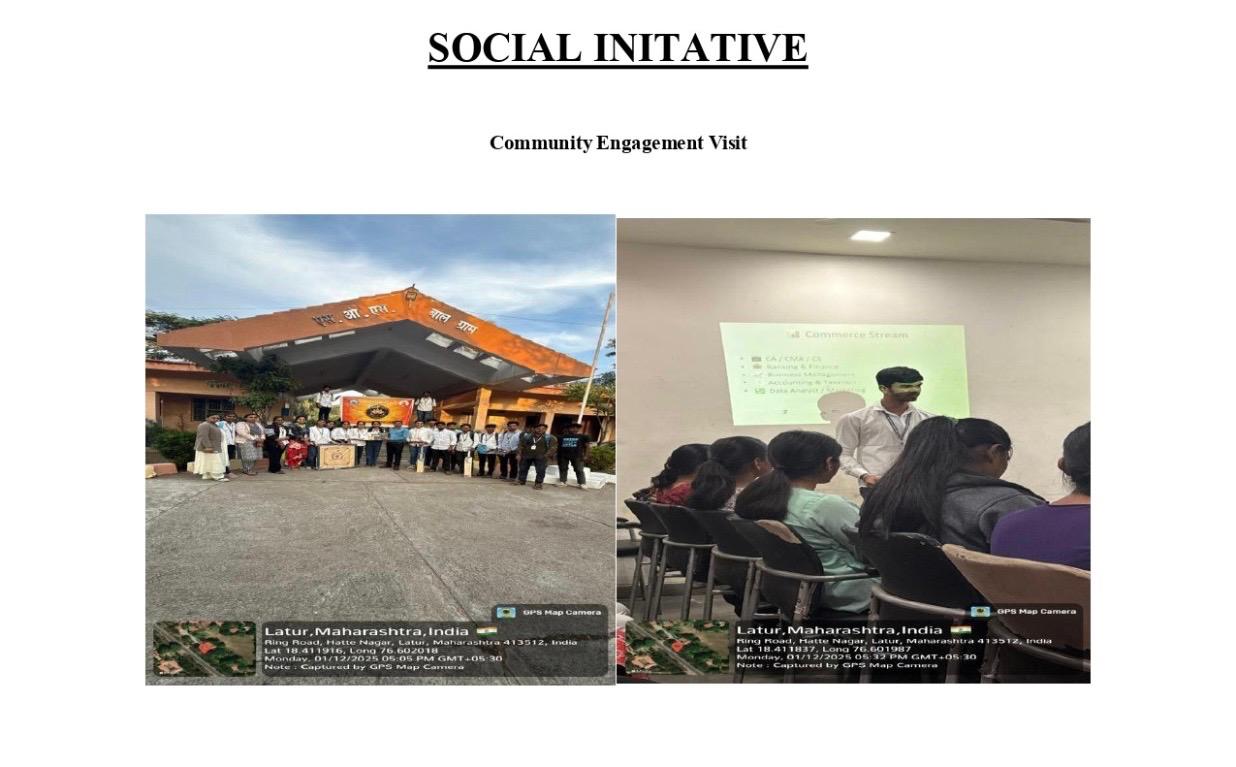
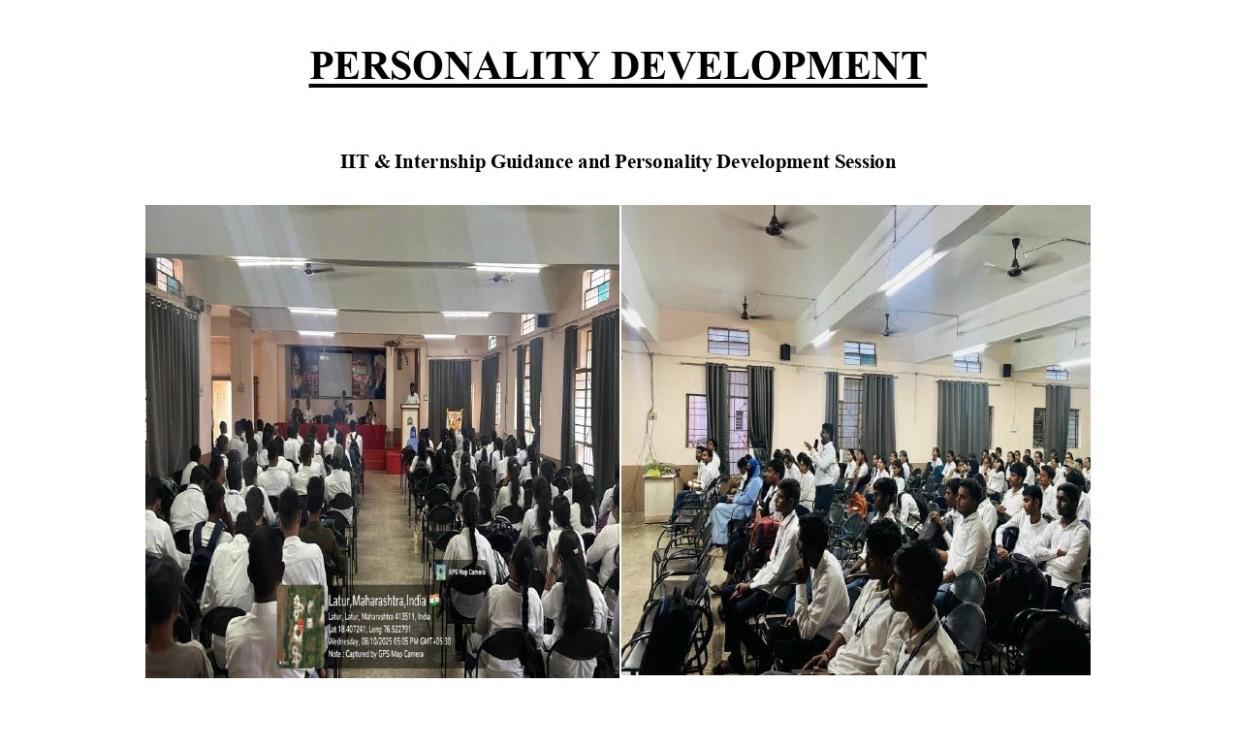
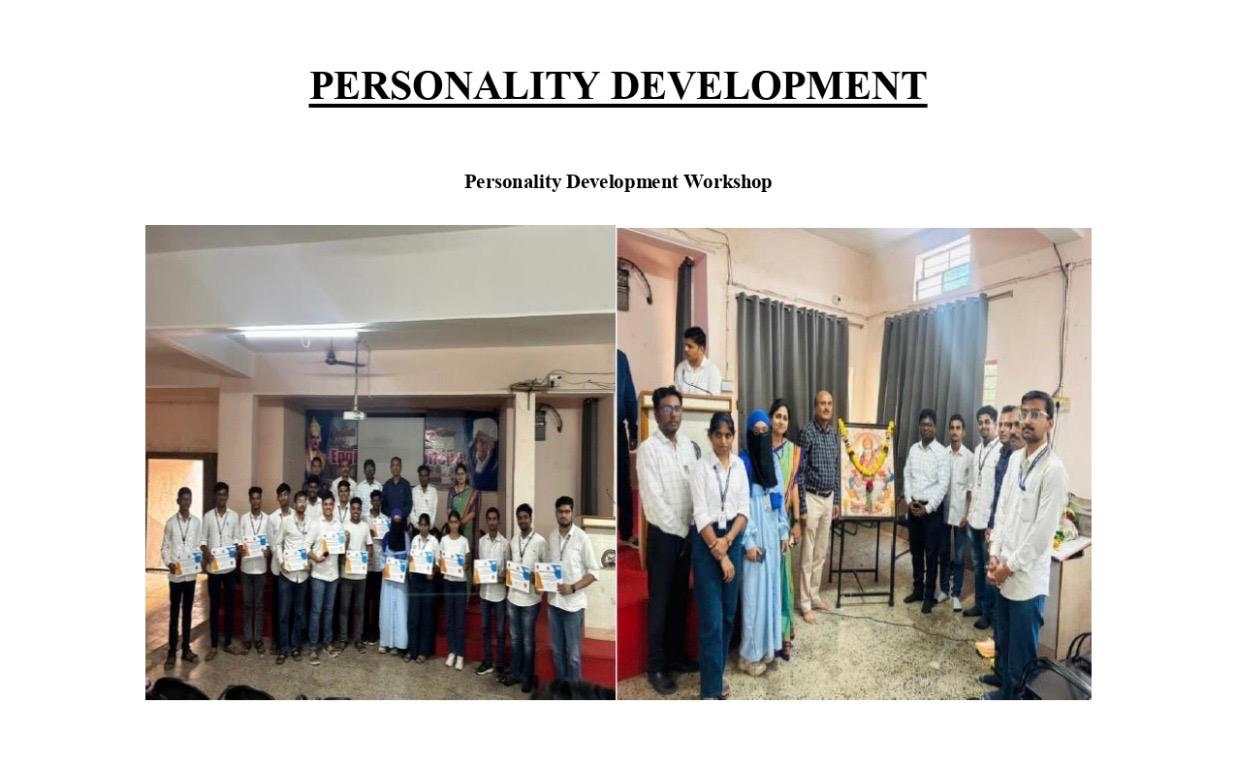
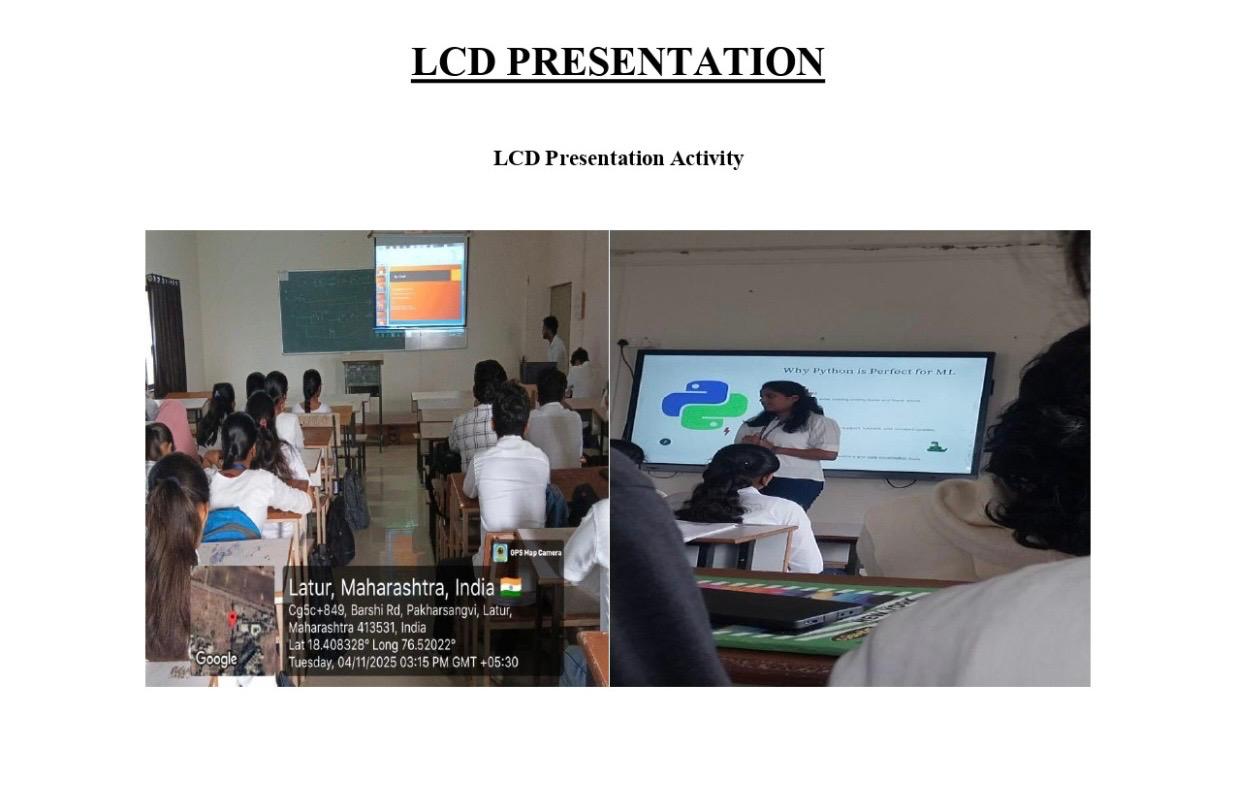
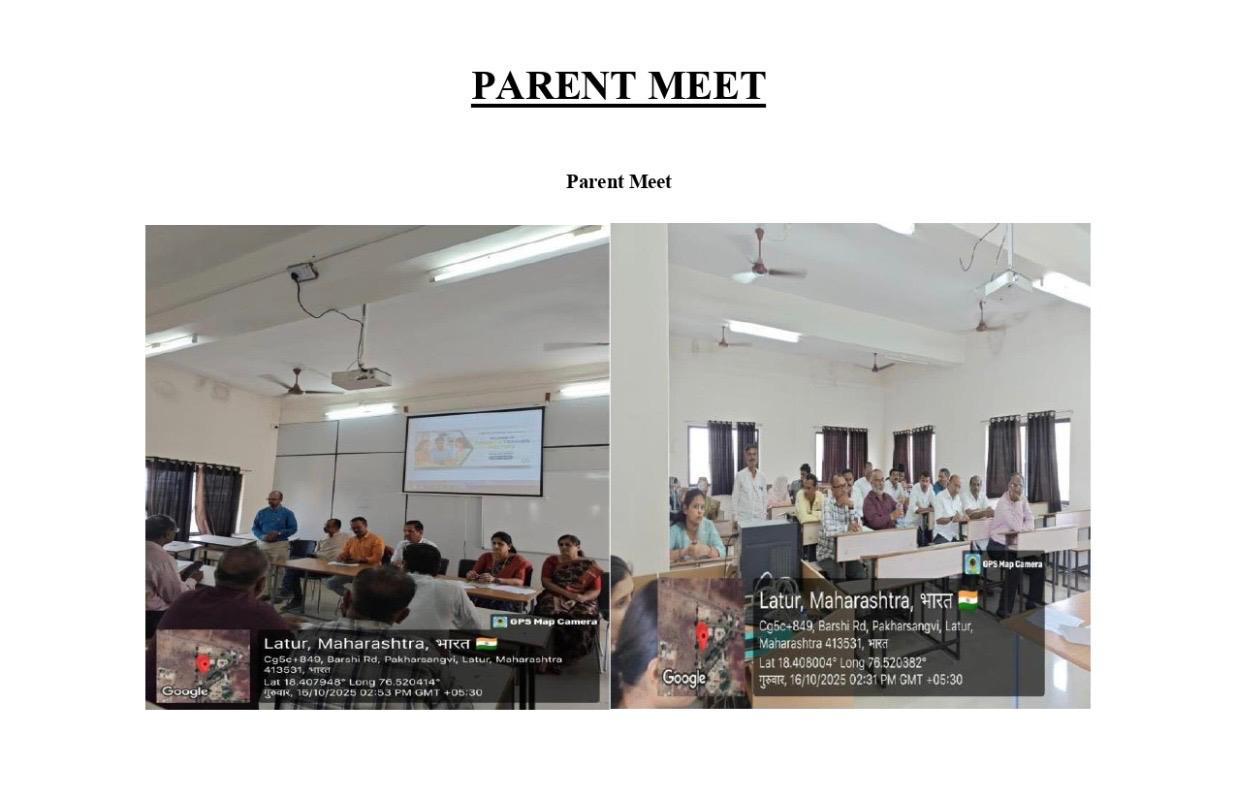
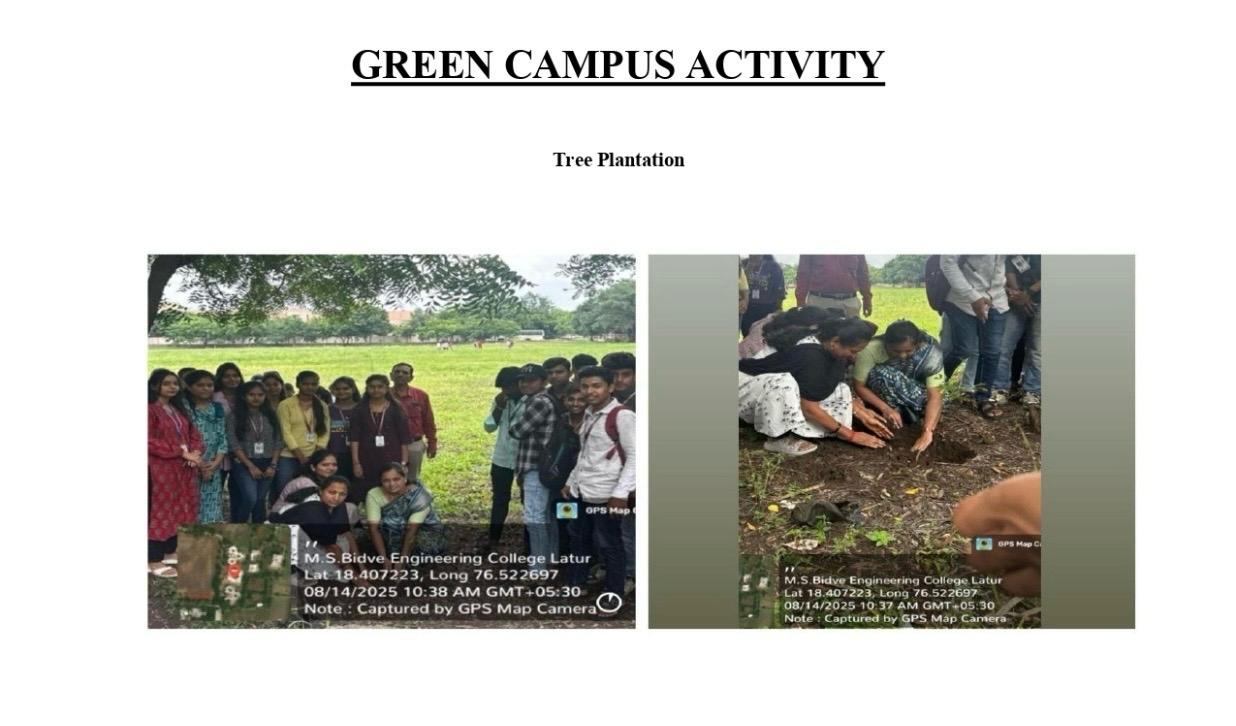
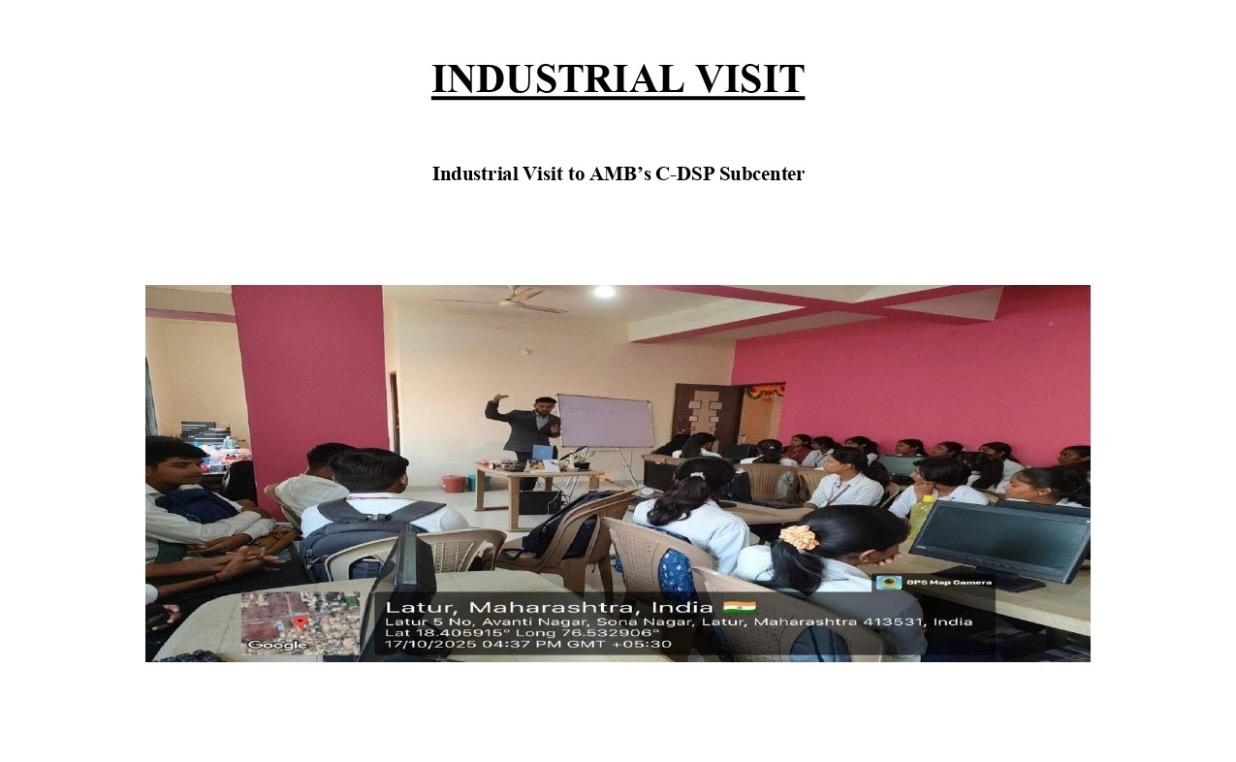
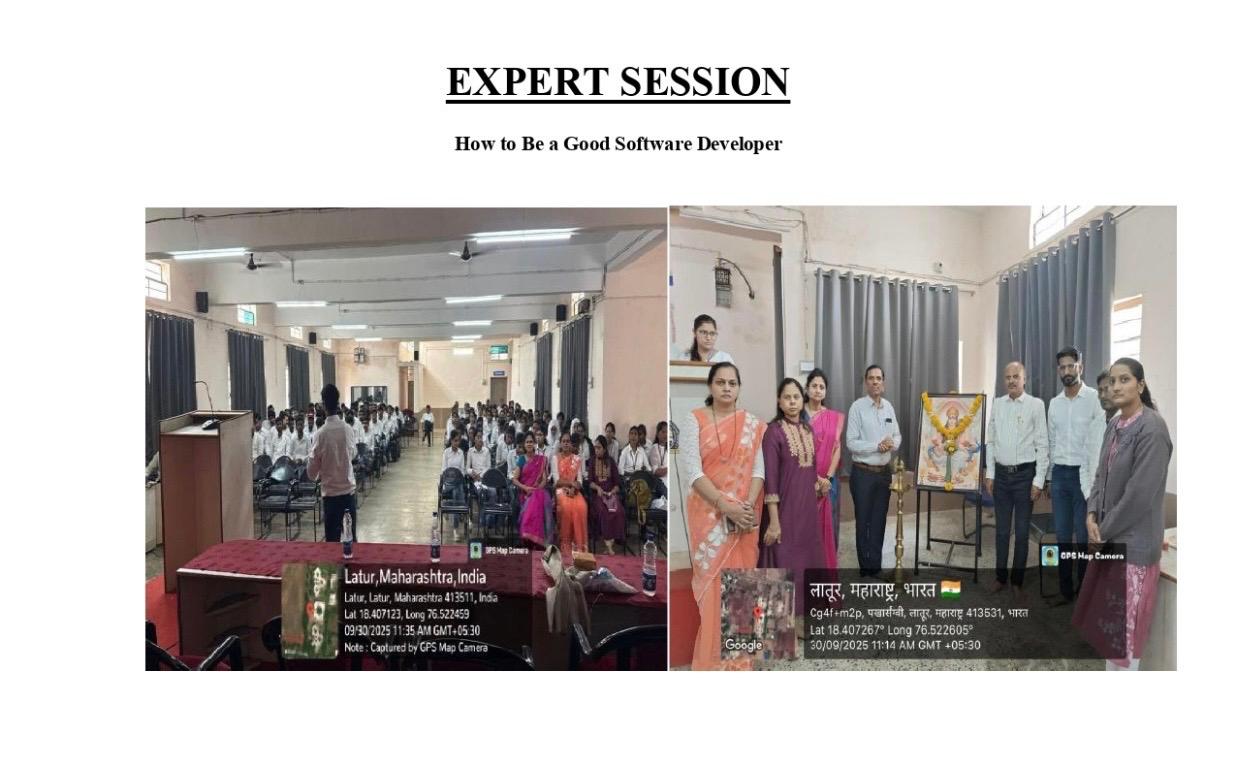
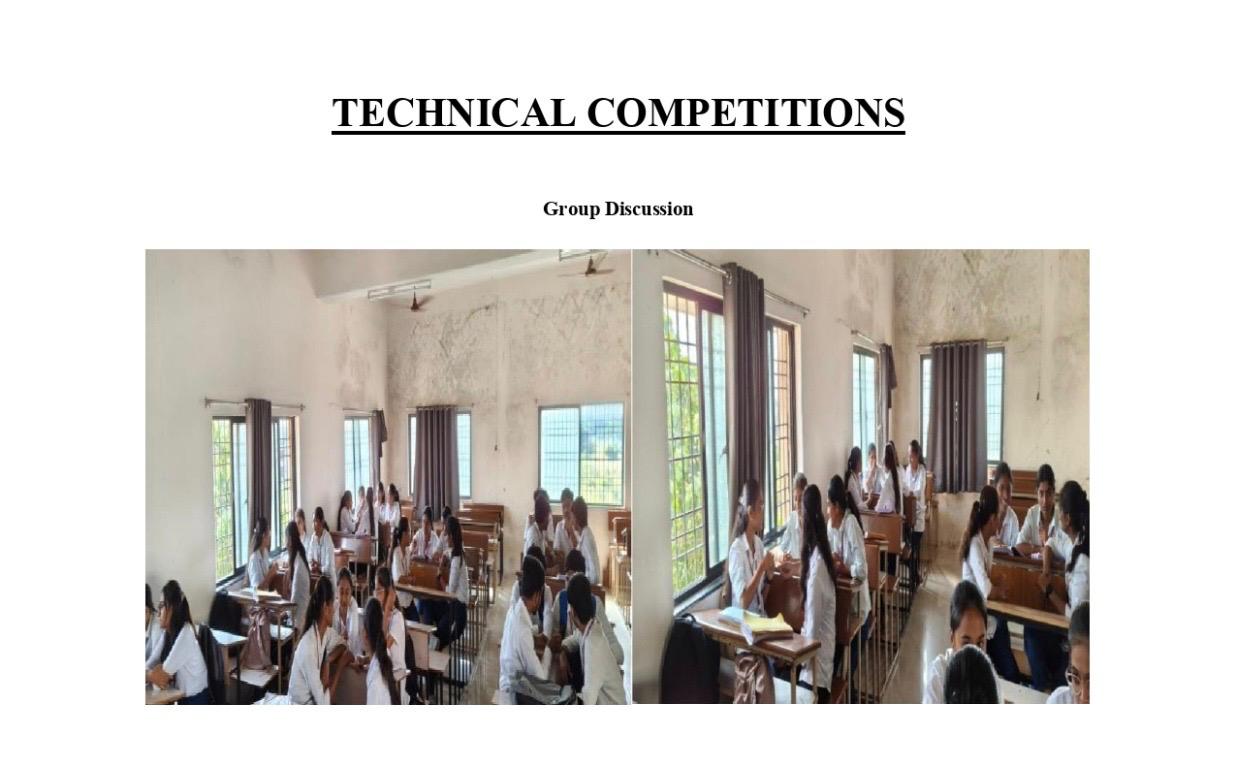
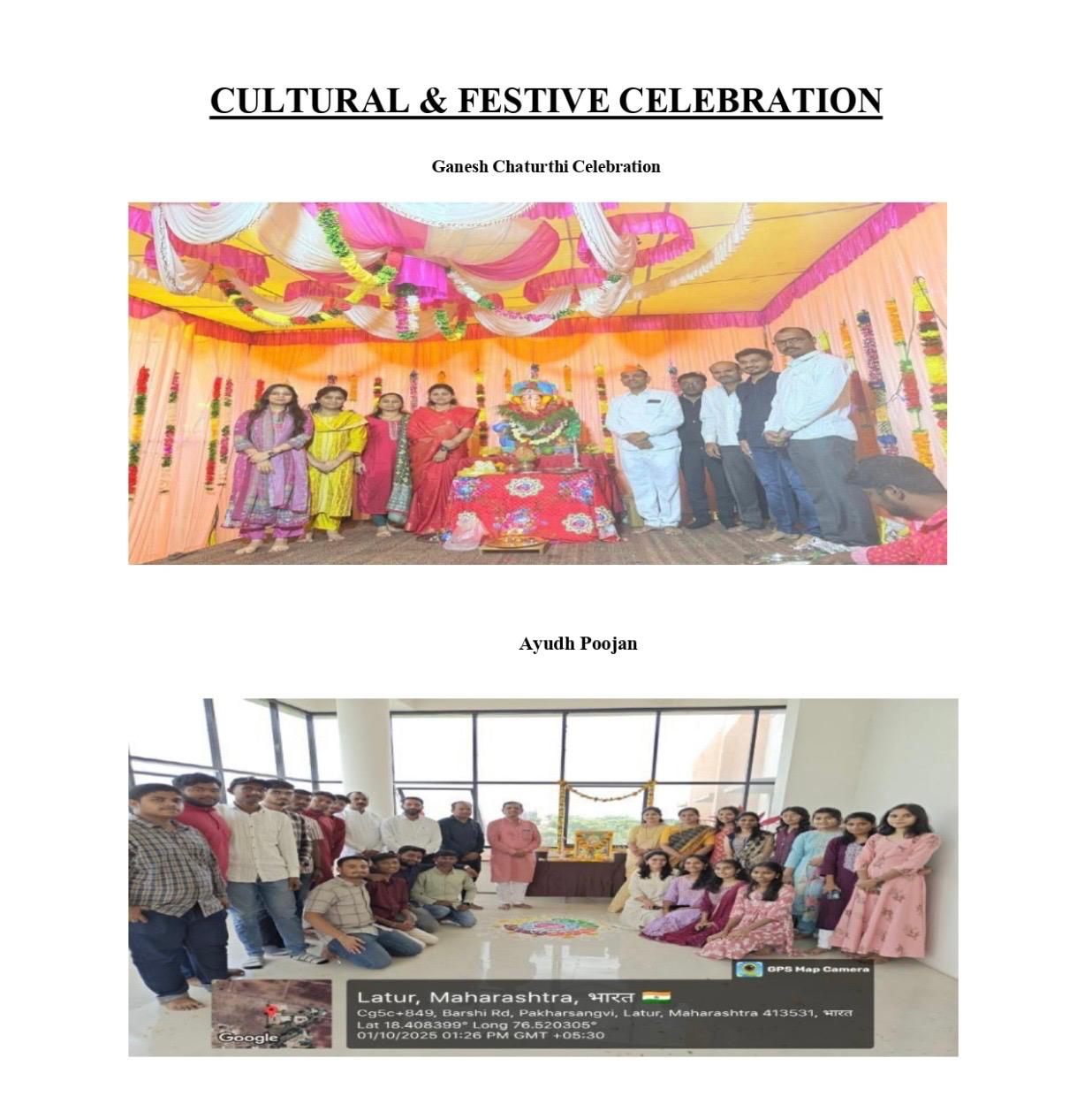
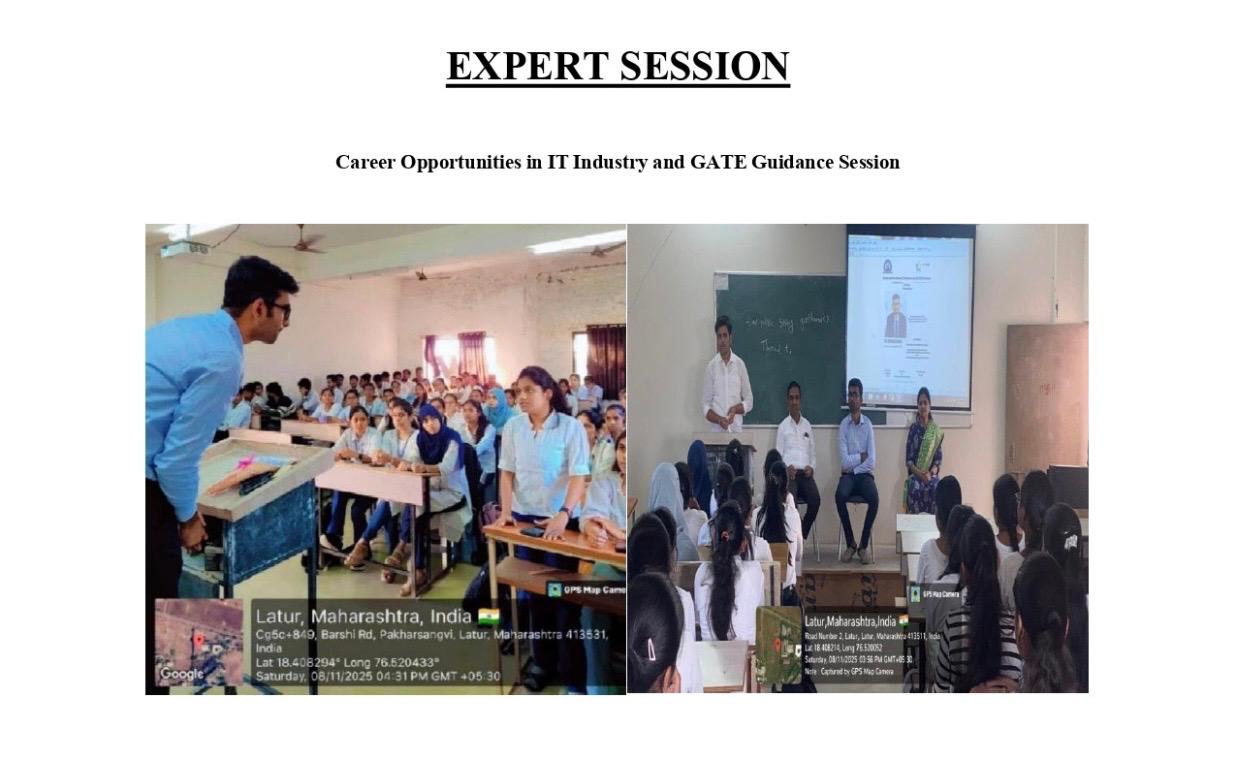
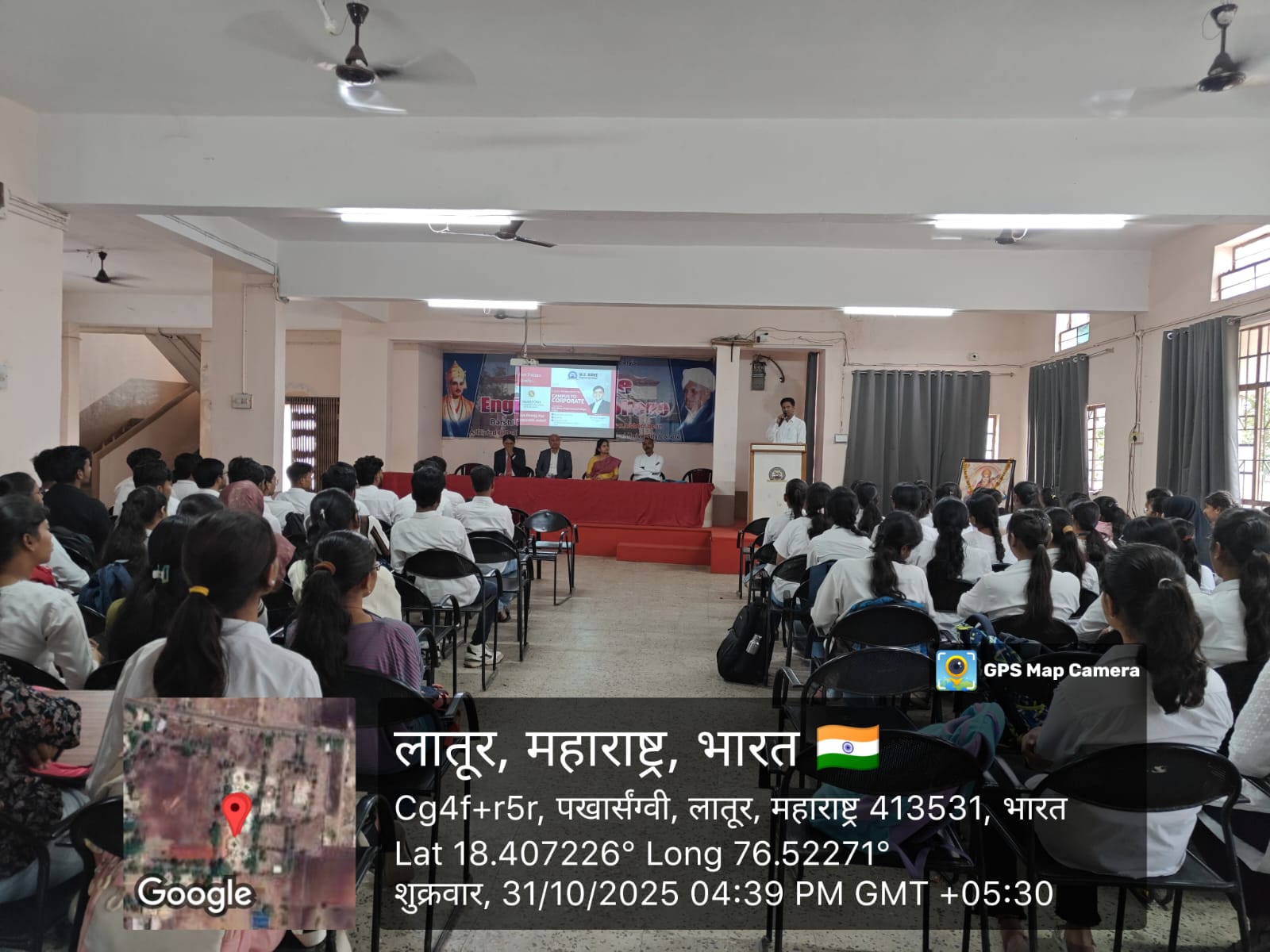
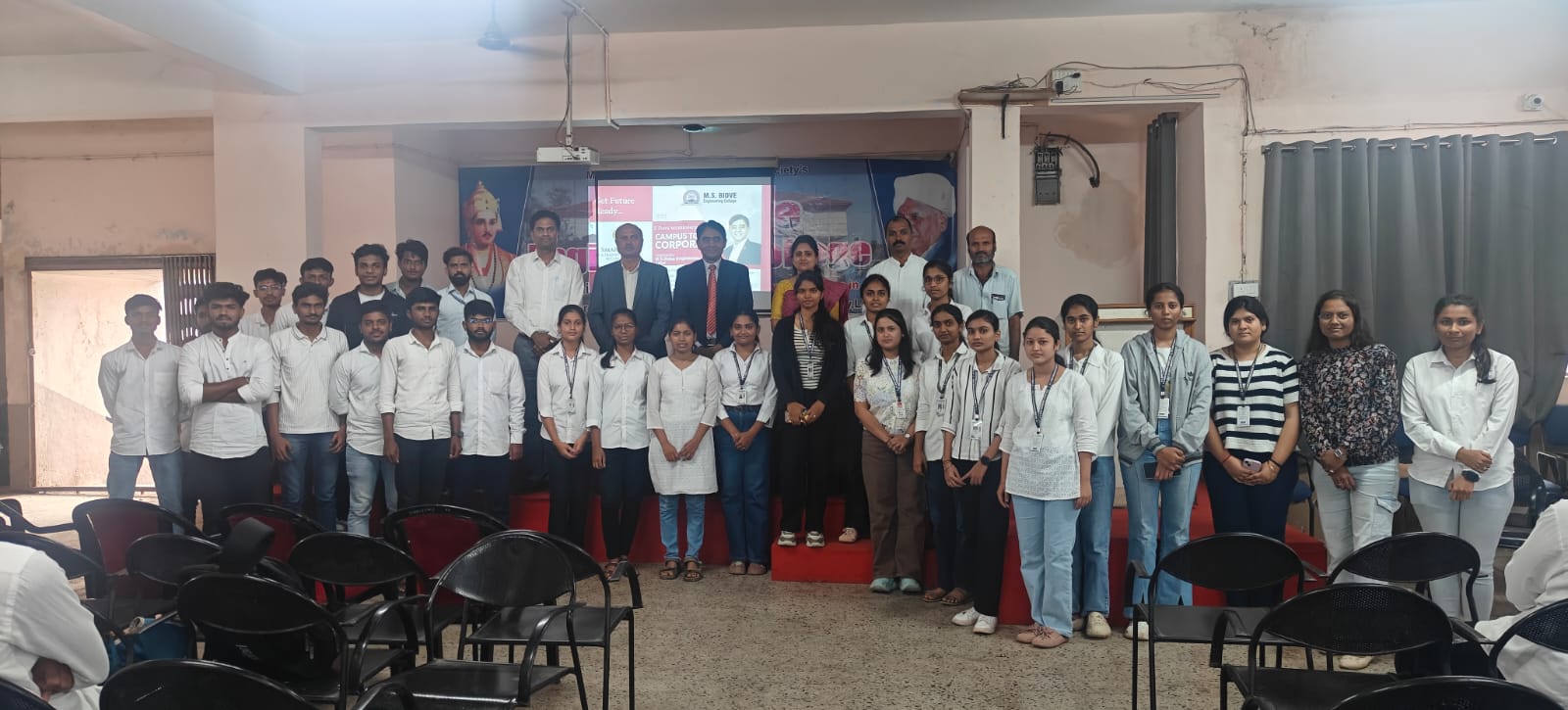
Campus to corporate traing programme organised in CSE department from 27/10/2025 to 31/10/2025
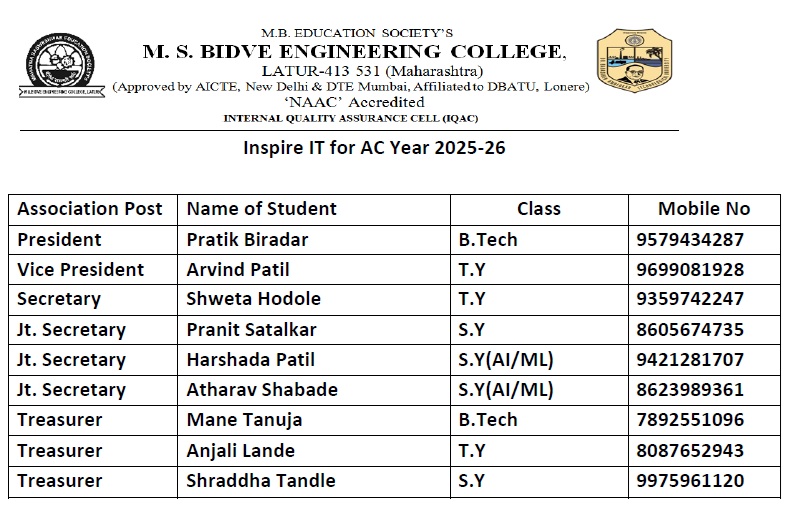
Student Corner
Technical Staff
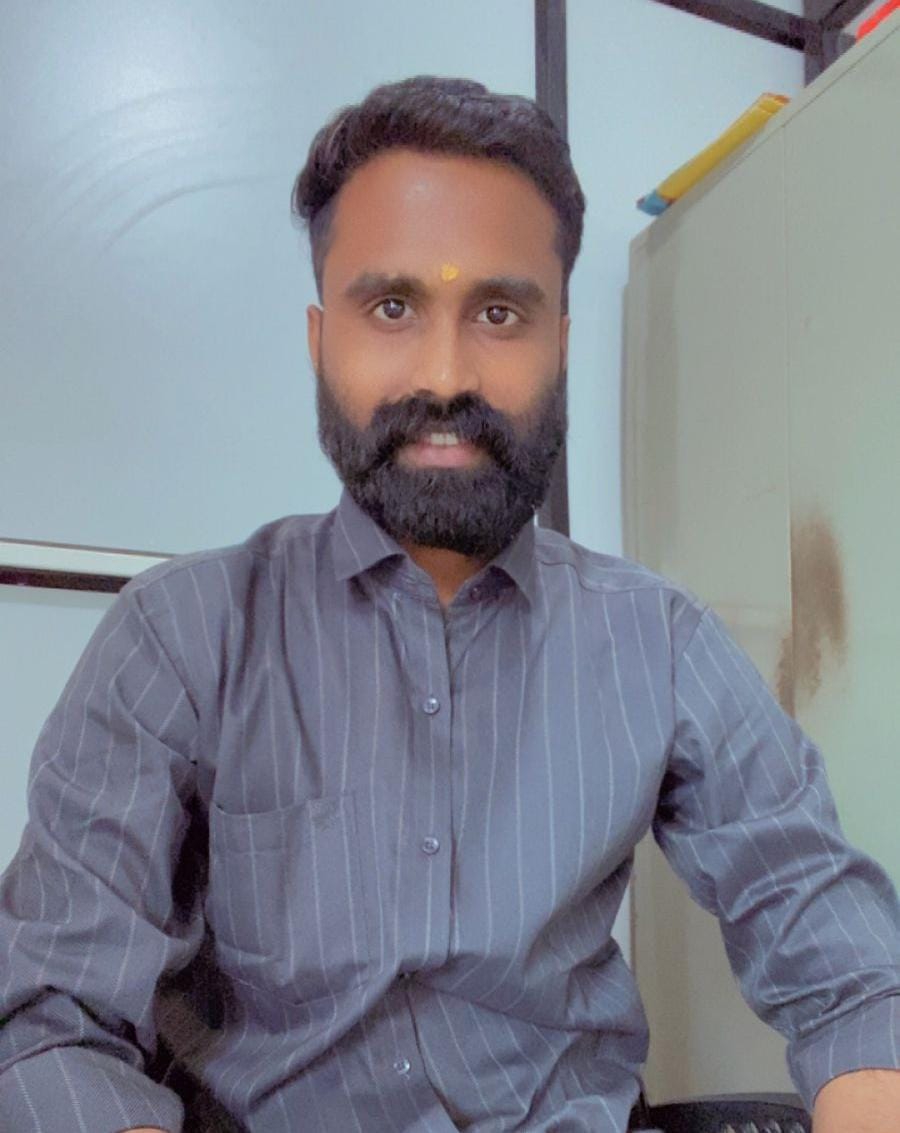 |
Name | Mr.A S YERTE |
| Designation | Lab. Asst. | |
| Qualification | BSC (Computer Science) | |
| Experience | 3 Years |
 |
Name | Mr.B A Jadhav |
| Designation | Tech. Lab. Asst. | |
| Qualification | B.Tech, M.Tech. (Pursunig) | |
| Experience | -- |
Notices
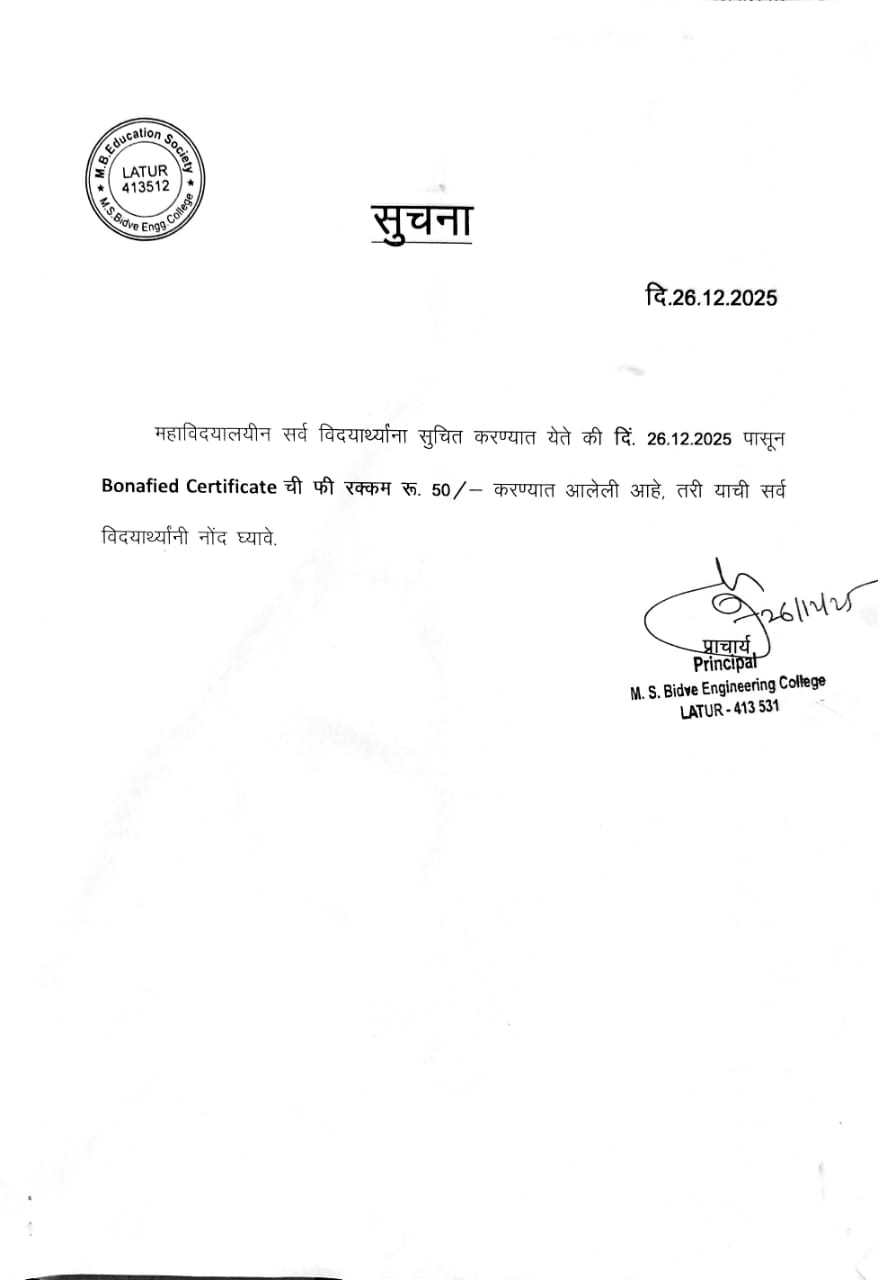
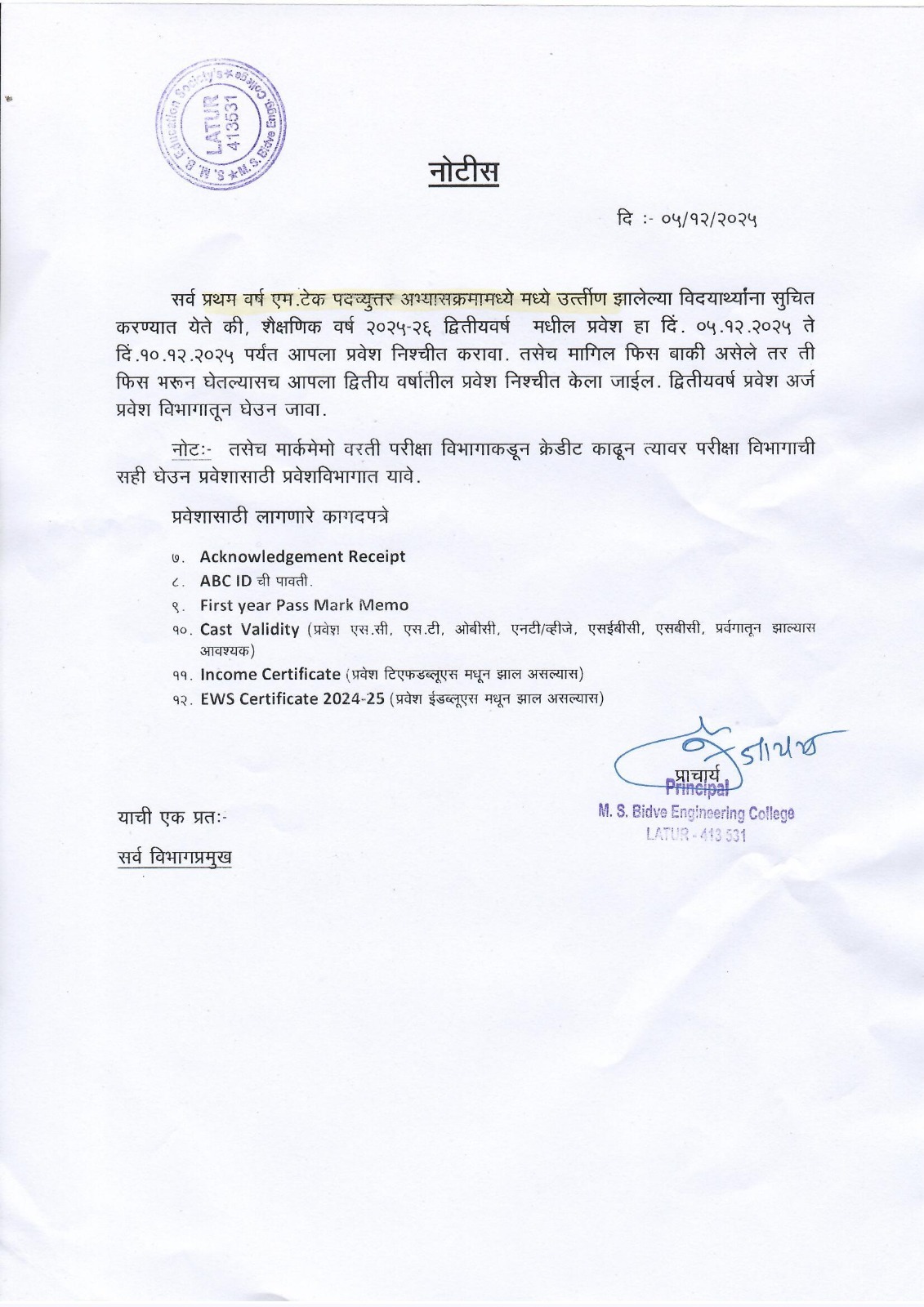
Syllabus
Computre Science & Engineering (AI & ML) |
|
Vision & Mission
Vision of AI & ML Department
To develop globally competent professionals in Artificial Intelligence and Machine Learning for solving real-world problems.
Mission of AI & ML Department
M1: To provide strong theoretical and practical knowledge in AI, ML, and emerging technologies.
M2: To encourage interdisciplinary learning, innovation, and research.
M3: To inculcate ethical values, leadership qualities, and social responsibility.
M4: To produce industry-ready and globally competitive AI & ML professionals.